90L130KA5AB80S4F1F06GBA262624 piston pump
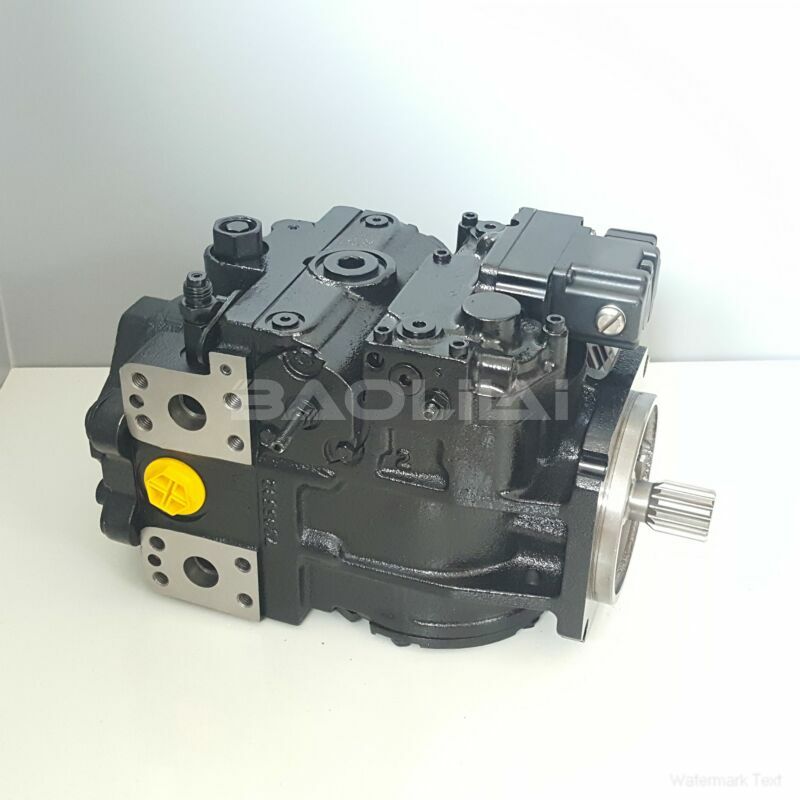
90L130KA5AB80S4F1F06GBA262624 piston pump
- Product Details
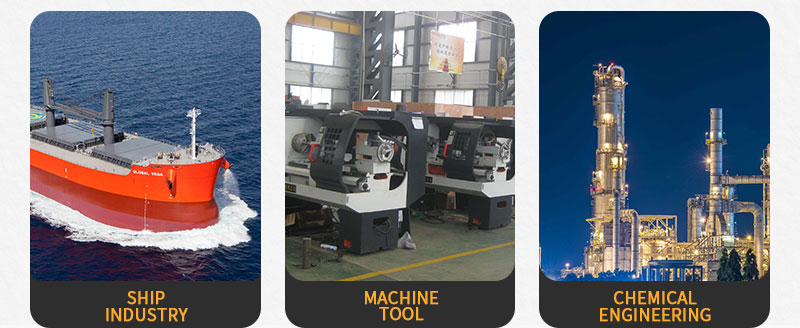
- Applicable Scene
Integrating hydraulic pumps into automated industrial equipment can significantly enhance productivity and operational efficiency. This process requires a comprehensive understanding of both hydraulic systems and the automation technology used in industrial settings. Here’s a step-by-step guide on how to accomplish this integration.
90L130-KA-5-AB-80-S-4-F1-F-06-GBA-26-26-24
90L130KA5AB80S4F1F06GBA262624
First and foremost, it’s essential to have a clear understanding of the requirements of the automated system. Assess the specific tasks that need to be performed, such as lifting, pushing, or clamping, as well as the load specifications. This information will guide the selection of the appropriate hydraulic pump and components.
83014347
Next, select the right type of hydraulic pump. There are various types of hydraulic pumps, such as gear pumps, vane pumps, and piston pumps, each suited for different applications. Consider factors like flow rate, pressure output, and energy efficiency when making this choice. It’s crucial to choose a pump that aligns with the operational needs of the automated system.
Once the appropriate pump has been selected, develop a hydraulic circuit design. This design will outline how fluid will flow through the system and include components such as hoses, valves, and reservoirs. It’s important to ensure that the circuit is well-planned to prevent issues like cavitation or pressure drops, which can impair performance.
After the circuit design, proceed with the installation of the hydraulic pump and associated components. Proper installation is critical for system reliability and performance. Ensure all connections are secure and that there are no leaks. Use compatible fittings and hoses to maintain the integrity of the hydraulic system.
Following installation, the hydraulic system must be integrated with the control system of the automated equipment. This often involves programming a programmable logic controller (PLC) that will control the operation of the hydraulic components. The PLC should be programmed to manage the timing, flow rates, and pressure levels necessary for the hydraulic pump to operate effectively within the system.