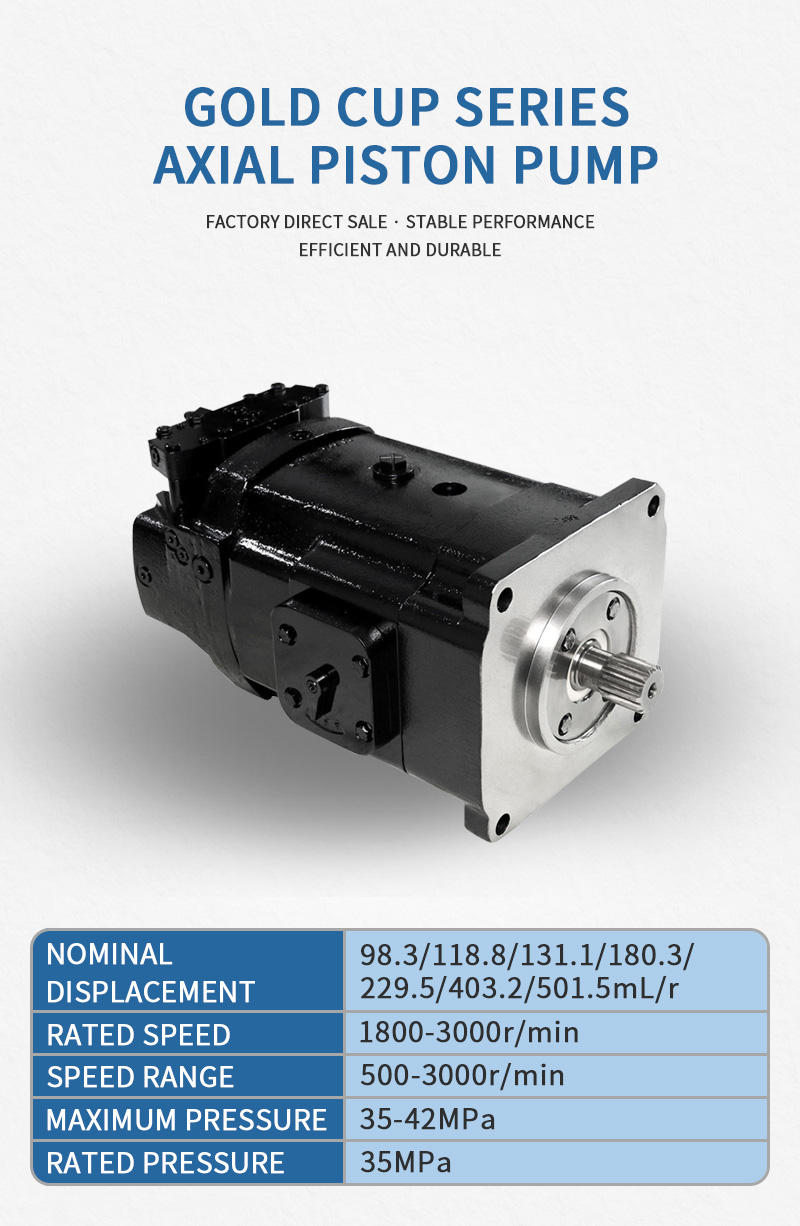
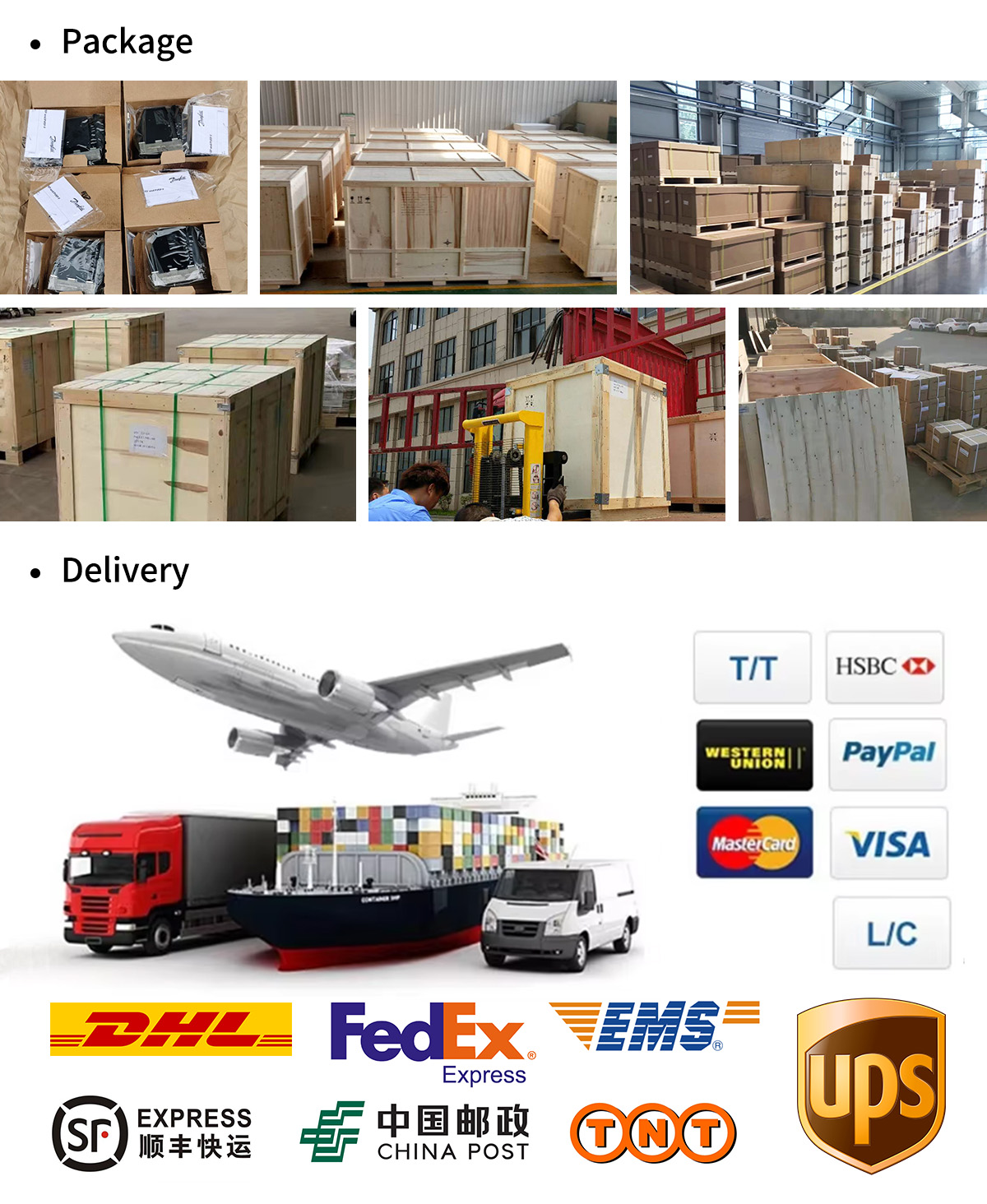
P11P3R1A9C2A00 axial piston pump Parker Denison P11P gold cup pump
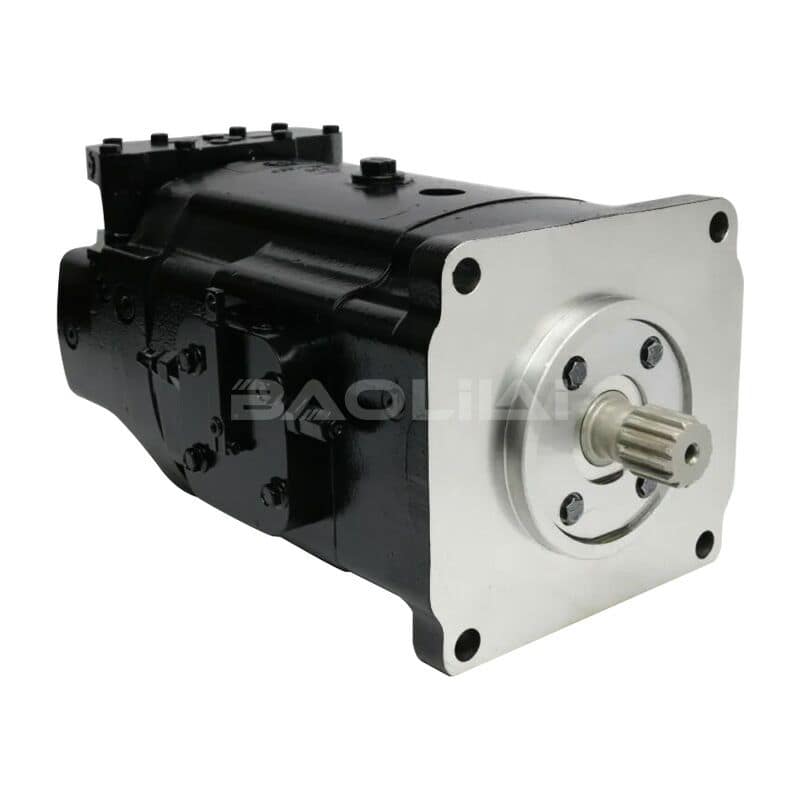
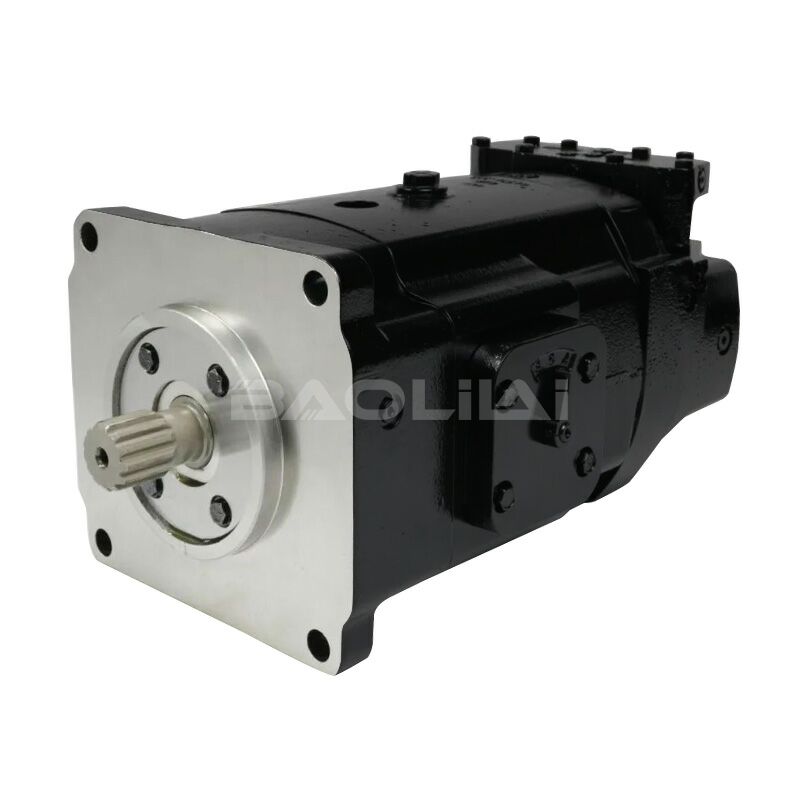
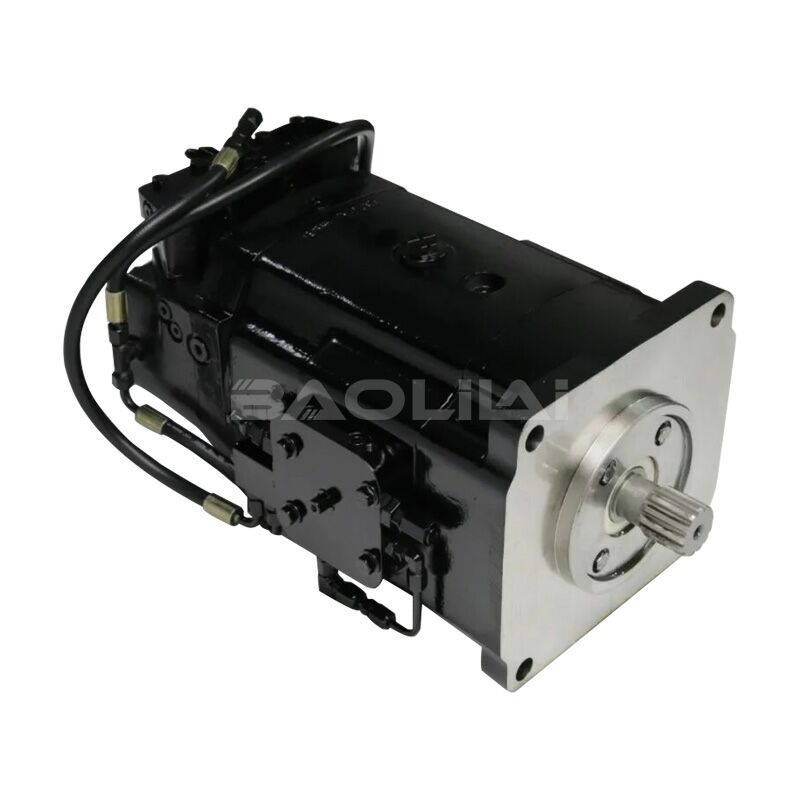
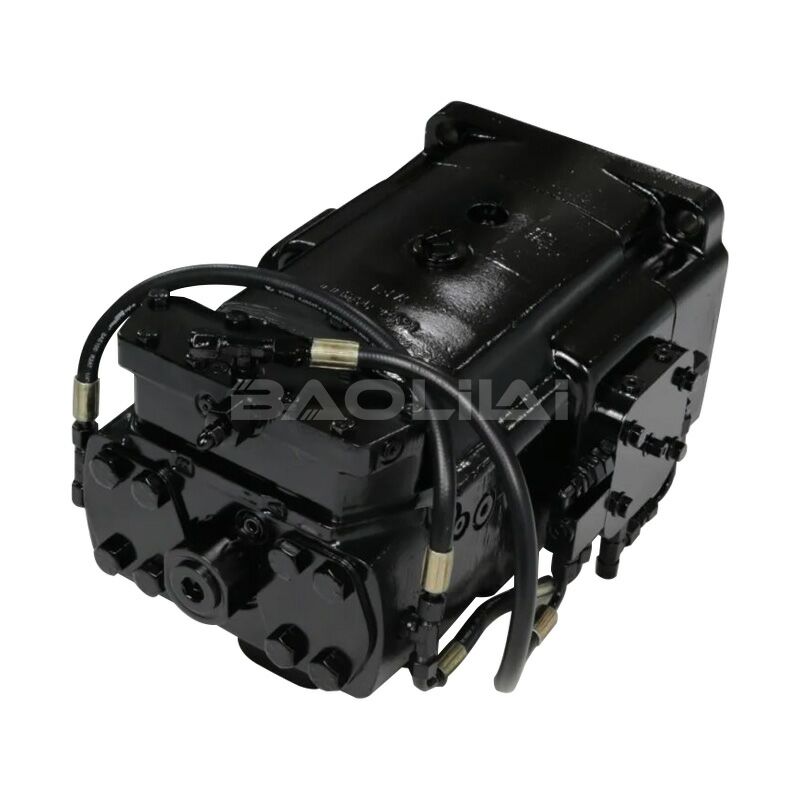
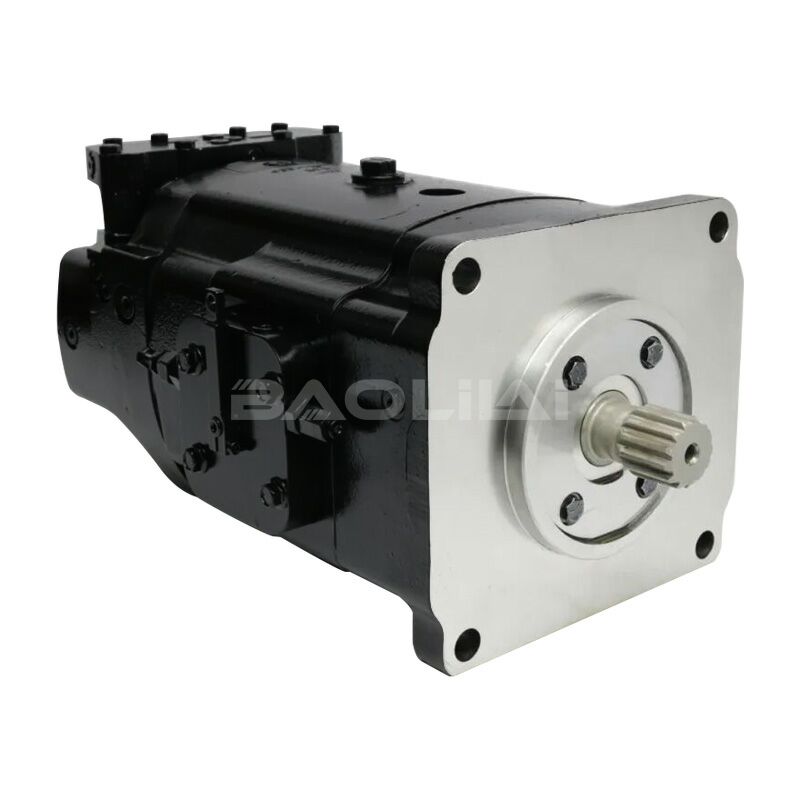
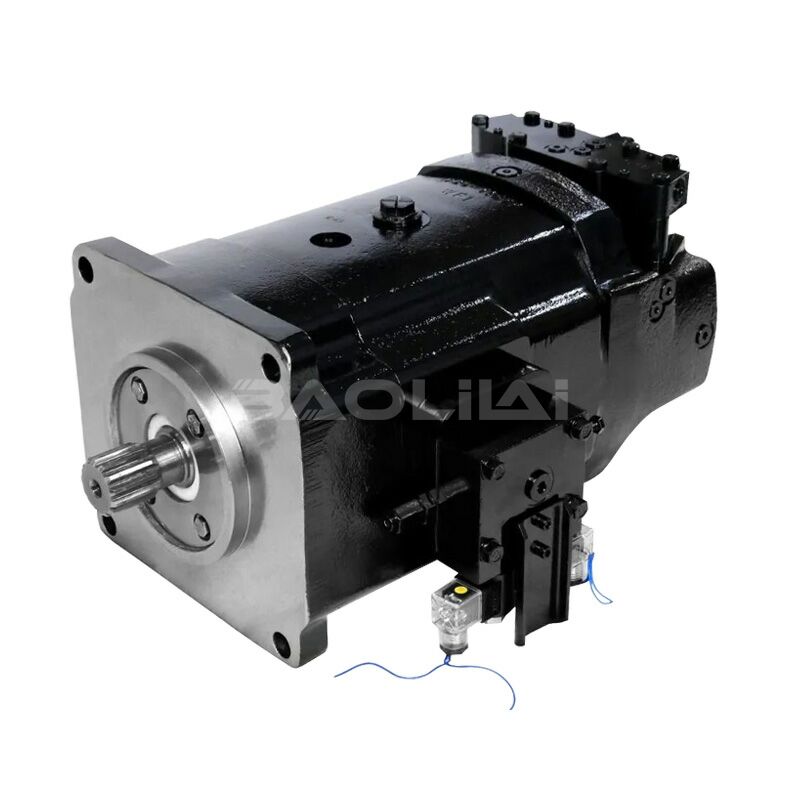
P11P3R1A9C2A00 axial piston pump Parker Denison P11P gold cup pump
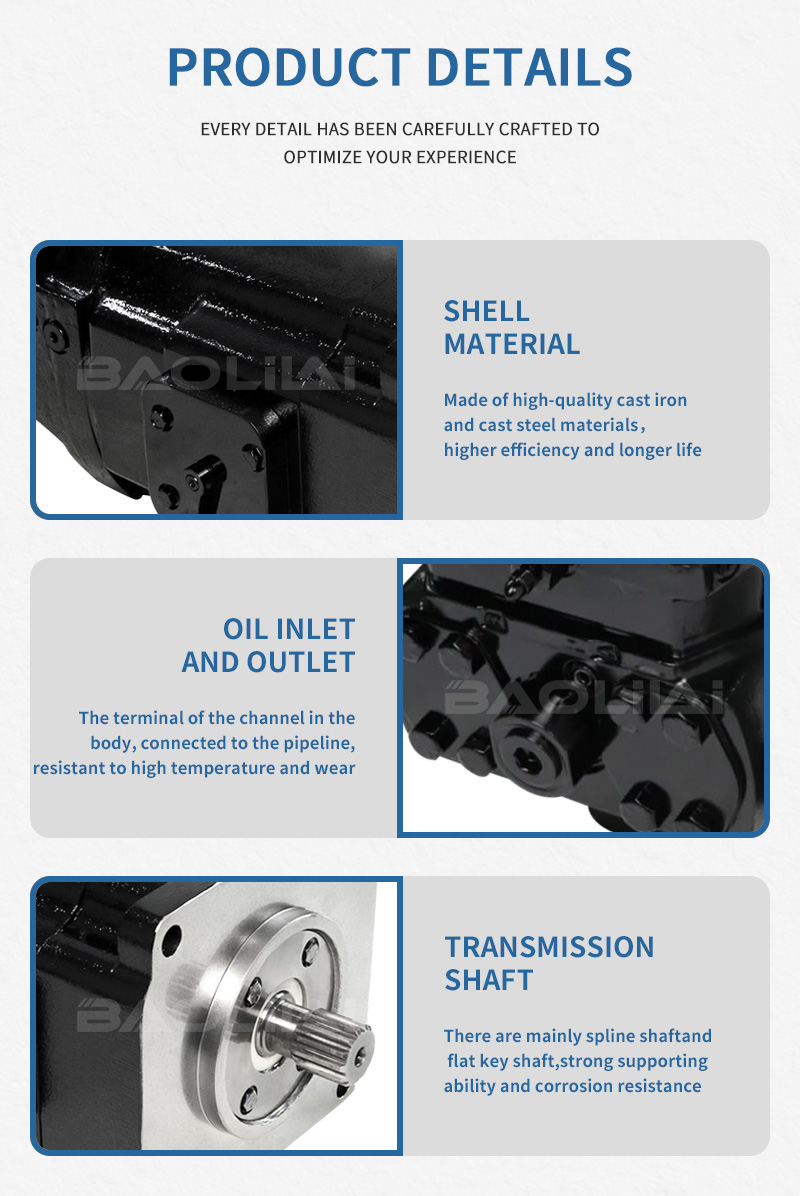
- Product Details
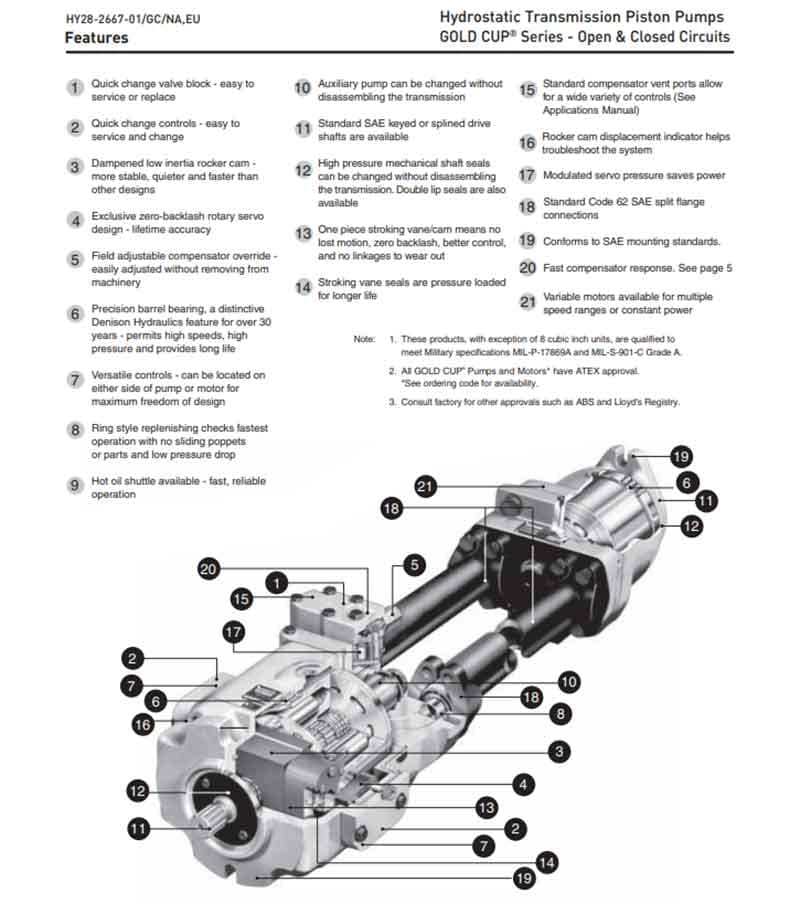
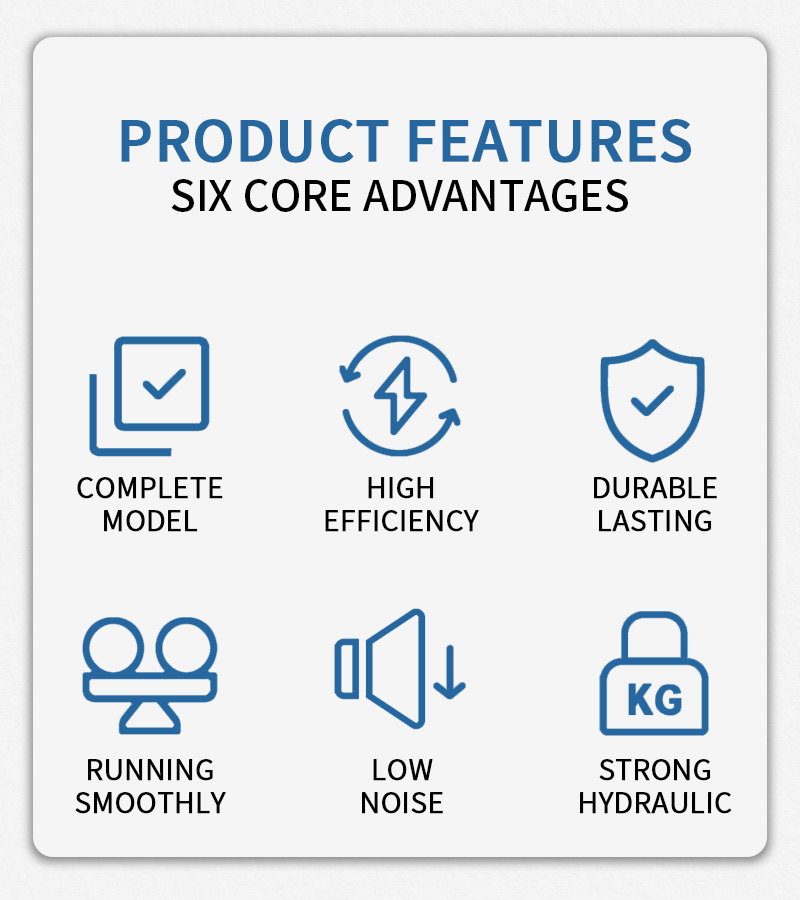
What sets the Gold Cup design apart from a typical piston pump is the bearing arrangement. A large-diameter roller bearing sits in line with the radial forces created during pumping. That positioning stops the cylinder barrel from tipping at high speed and high pressure — a failure mode that, in lesser designs, alters the hydrostatic balancing areas, accelerates internal leakage, and invites the barrel to “blow off.” In the P11 and P14 sizes specifically, the rotating group uses seven pistons riding on bronze shoes, a detail that matters when you’re troubleshooting wear patterns during a teardown.
Decoding the Model Number: P11P3R1A9C2A00
Denison and Parker part numbers look cryptic, but they follow a consistent logic once you’ve seen enough of them. Breaking P11P3R1A9C2A00 into its segments:
P11P — Frame Size and Series
P = piston pump
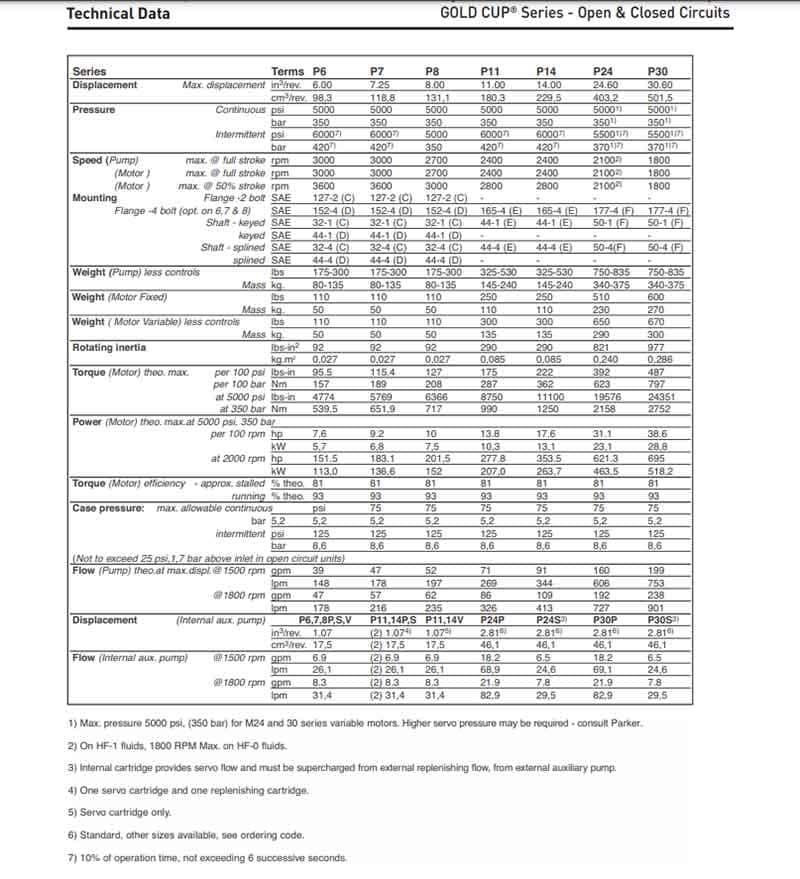
11 = frame size (roughly 11 in³/rev, ~180 ml/rev displacement class)
P = the pressure-compensator/control family designator that distinguishes this build from the P11F (fixed), P11R, P11S, P11L, and P11V variants also sold under the same frame size
3R1A — Rotation, Shaft, and Mounting Block
This segment typically encodes shaft rotation (clockwise/counterclockwise), shaft type (keyed vs. splined, per SAE-E specifications), and mounting-flange details. On real Gold Cup tags you’ll see close cousins like `1L1A`, `1R1A`, and `3R1A` used across the P6 through P14 frames — the pattern is standardized across the whole family, which is why a P7P and a P11P can share large portions of their code structure while differing only in frame size and displacement.
9C2 — Control and Porting Configuration
This block generally identifies the control method (pressure compensator, load-sense, remote pressure limiter, or electronic proportional control) along with port size/orientation. Gold Cup pumps are offered with several standard control families — relief, pressure limiter, load sense, and electronic control — so this is the segment installers most often need to match exactly when sourcing a drop-in replacement.
A00 — Design Revision / Build Suffix
The trailing letters and digits track design level and factory build revision. Two pumps that look identical on paper but carry different suffixes here can have different internal running changes, so this is worth cross-referencing with Parker’s parts lookup or your distributor before ordering seals, servo pistons, or a full cartridge kit.
Practical takeaway: when you’re calling a distributor or searching cross-reference catalogs, give them the full string — P11P3R1A9C2A00 — rather than just “P11P.” The suffixes are what actually determine which control kit, shaft seal, and servo parts fit your unit.
Where the P11P Gold Cup Pump Gets Used
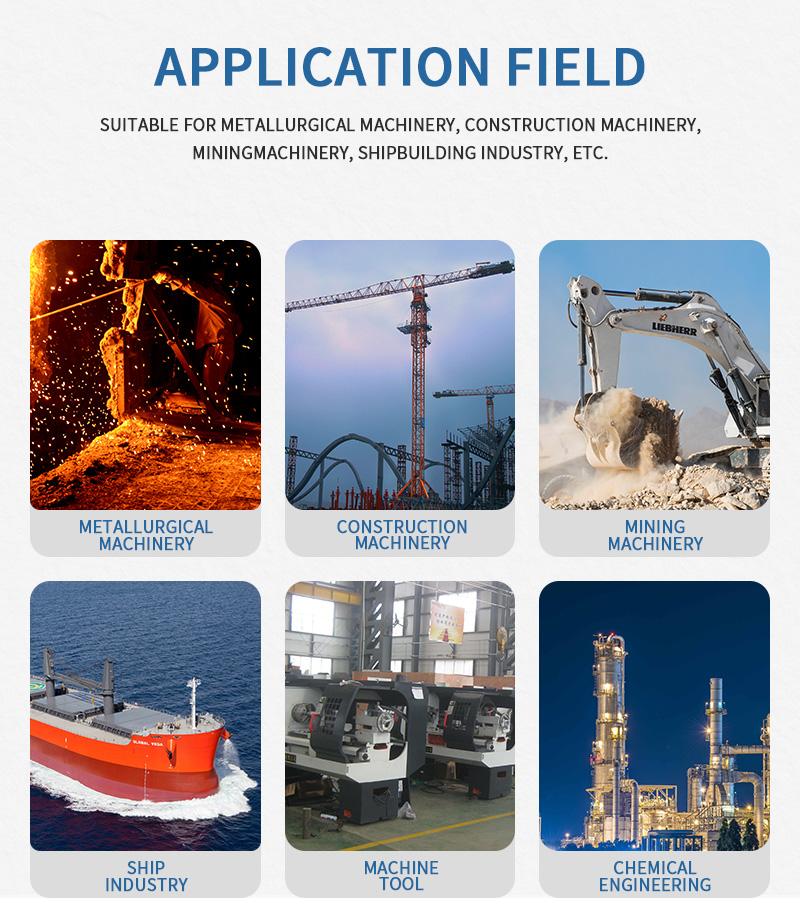
Because it’s rated for continuous duty at high pressure and built to resist barrel tipping under load, the P11P shows up almost exclusively in heavy, cyclic-duty applications rather than light industrial machinery.
Example 1: Blast-Hole Drilling Rigs
Rotary and blast-hole drill rigs run their rotation, feed, and pulldown circuits off closed-loop hydrostatic transmissions for hours at a stretch, often in dusty, high-vibration mining environments. The P11P’s integral replenishing pump and hot oil shuttle keep the closed loop cool and topped off without extra plumbing — a big reason Gold Cup pumps became the de facto standard on rigs from manufacturers like Atlas Copco and Epiroc.
Example 2: Marine Propulsion and Deck Machinery
Denison’s shipboard hydraulic pedigree predates Parker’s ownership of the brand. On vessels, P11-frame pumps drive winches, thrusters, and propulsion-assist circuits where duty cycles are long, vibration is constant, and a pump failure mid-voyage isn’t an option.
Example 3: Mobile and Construction Machinery
Excavators, rotary piling rigs, and large cranes use P11P and related P11-series variants (P11R, P11S, P11V) in hydrostatic drive and swing circuits, where high power density in a compact envelope matters more than in stationary industrial hydraulics.
Example 4: Shredding and Pulp/Paper Equipment
Heavy shredders and pulp-processing lines impose shock loads that would blow off a lesser barrel-and-shoe assembly. The Gold Cup’s balanced bearing arrangement is specifically engineered for this kind of repeated pressure spiking.
To learn more about Parker Denison hydraulic pumps, please visit https://www.baolilai-pump.com/products/parker-denison/
Frequently Asked Questions (FAQ)
Q1: How to purchase a Parker Denison P11P hydraulic pump
You can visit https://www.baolilai-pump.com/contact_us/ and send us the specific model number; we will provide you with a quote and delivery schedule immediately.
Q2: What does the 12-month warranty cover?
The warranty covers defects in materials and workmanship for one year from the date of purchase, offering protection for drilling contractors, mining operators, and heavy equipment fleets.
Q3: How do I identify exact replacement parts from a code like P11P3R1A9C2A00?
Provide the complete part number — not just the frame designation — to your distributor or Parker’s parts lookup. The segments after “P11P” determine shaft/rotation, control type, and design revision, all of which affect which seal kits, servo components, and cartridge assemblies will actually fit.
Q4: What industries rely most heavily on the P11 frame size?
Mining and blast-hole drilling, marine deck machinery and propulsion, crane and construction equipment, and heavy shredding/pulp-processing systems are the most common applications, largely due to the P11’s balance of high power density and continuous-duty durability.
Specification