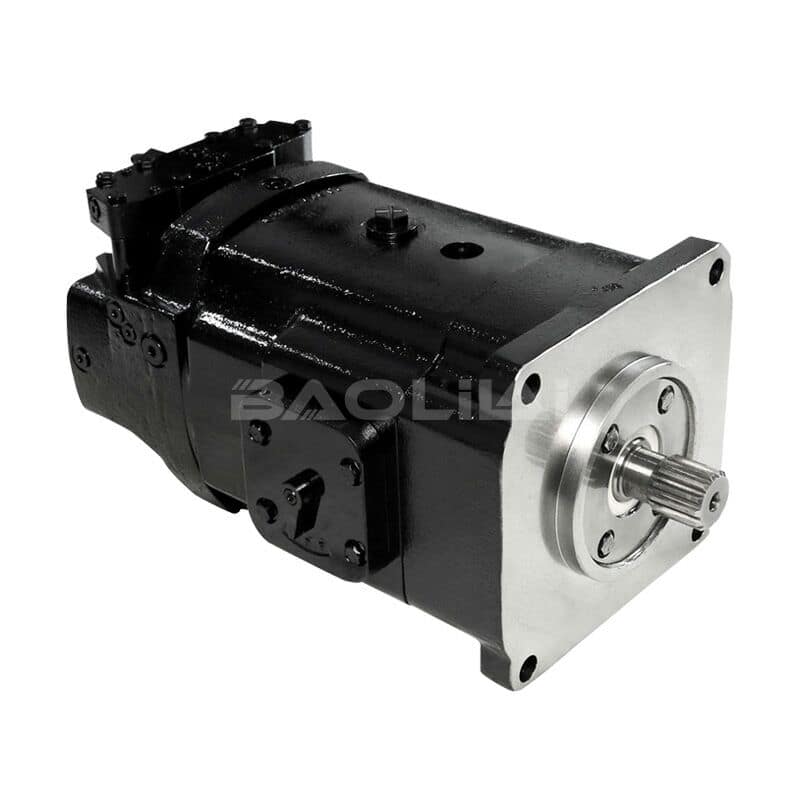
Denison P7 axial piston hydrualic pump P7D3R1A9A2B00NP gold cup pump
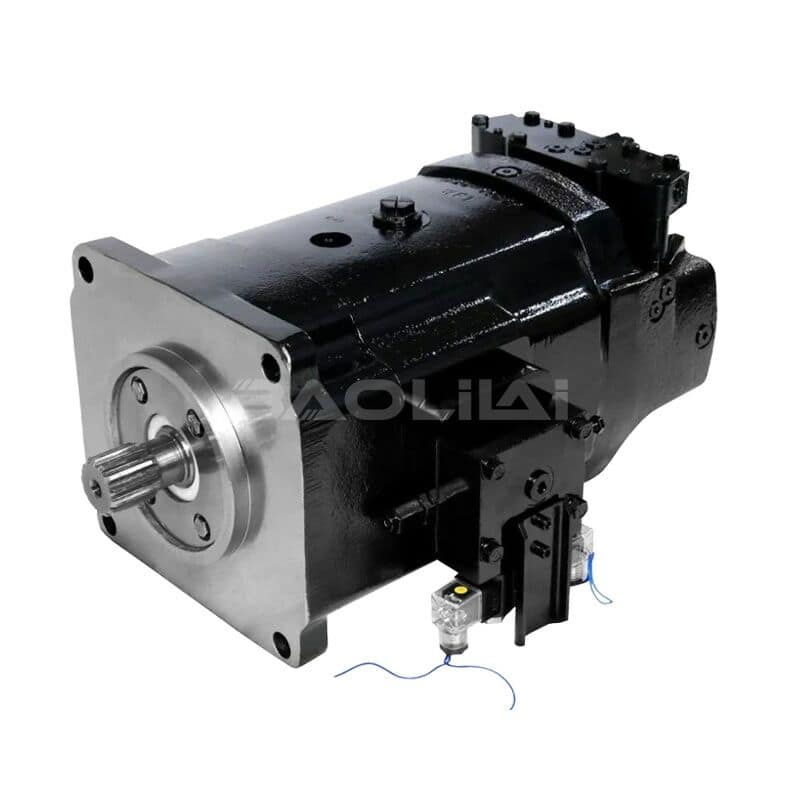
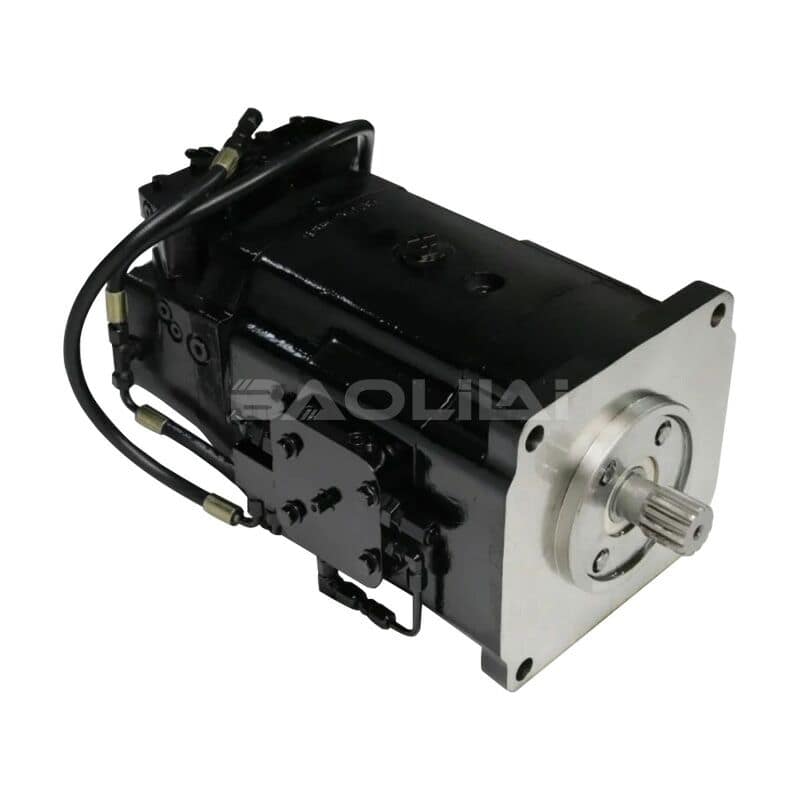
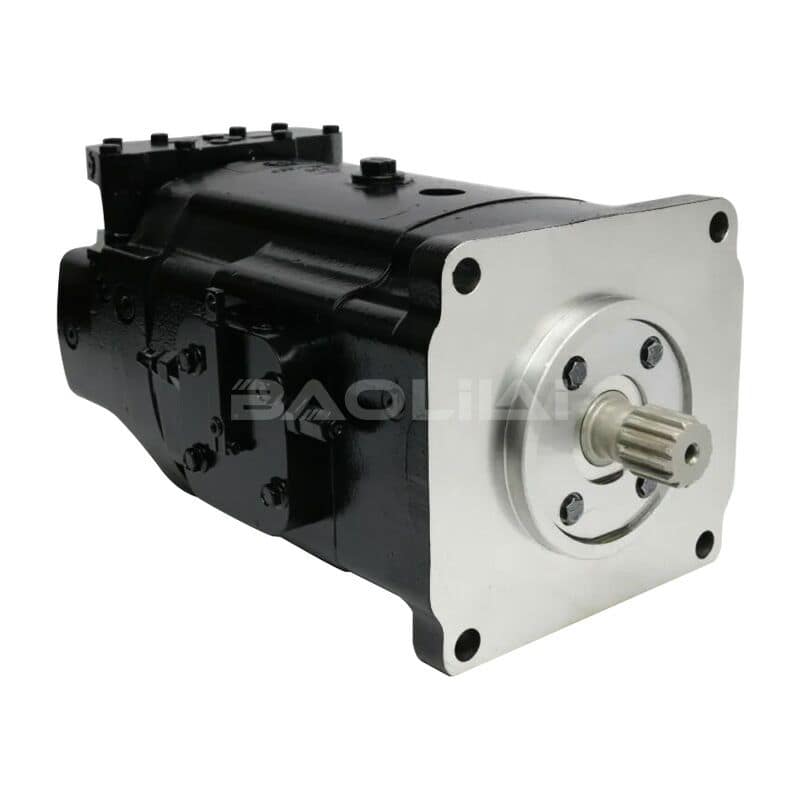
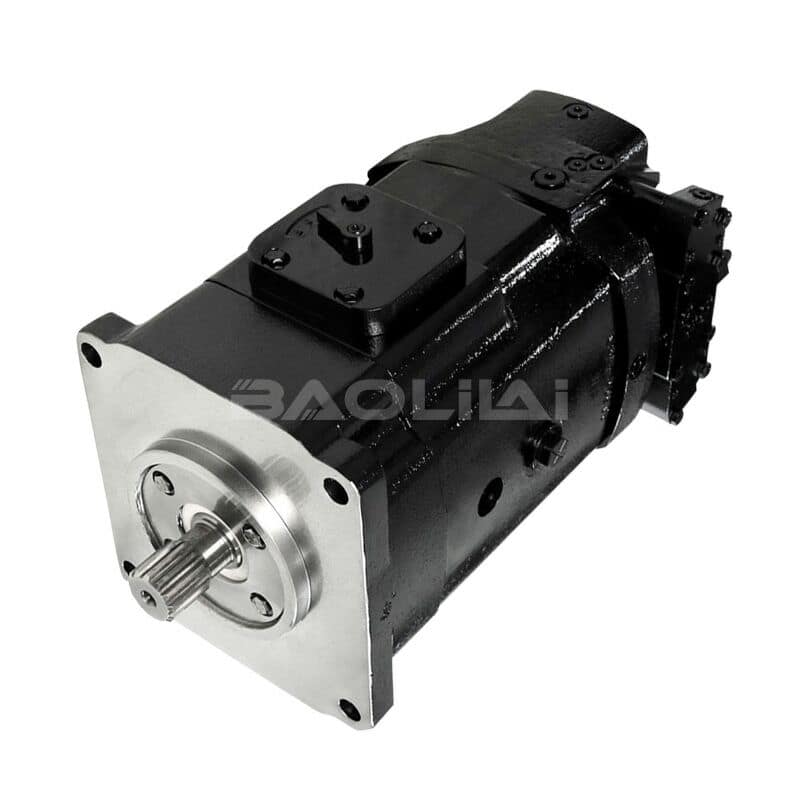
Denison P7 axial piston hydrualic pump P7D3R1A9A2B00NP gold cup pump
- Product Details
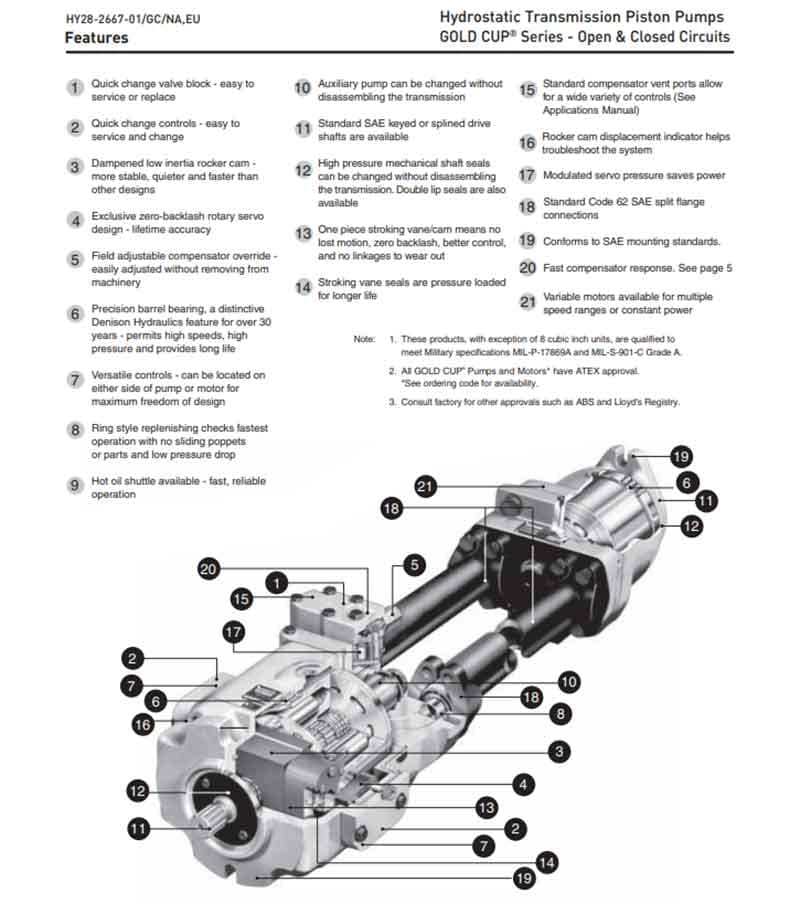
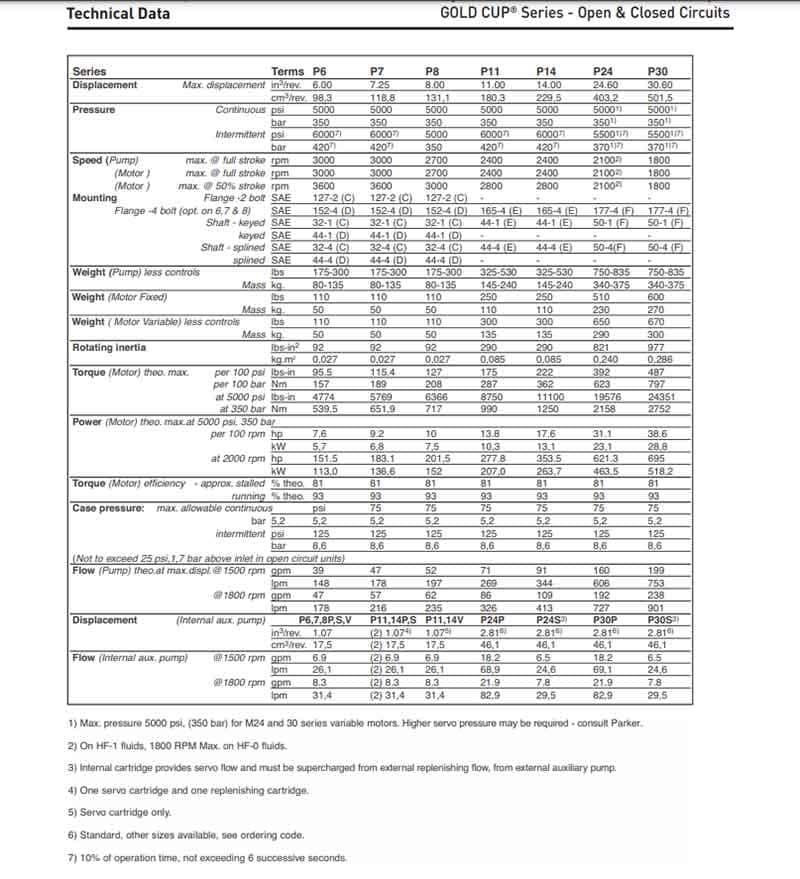
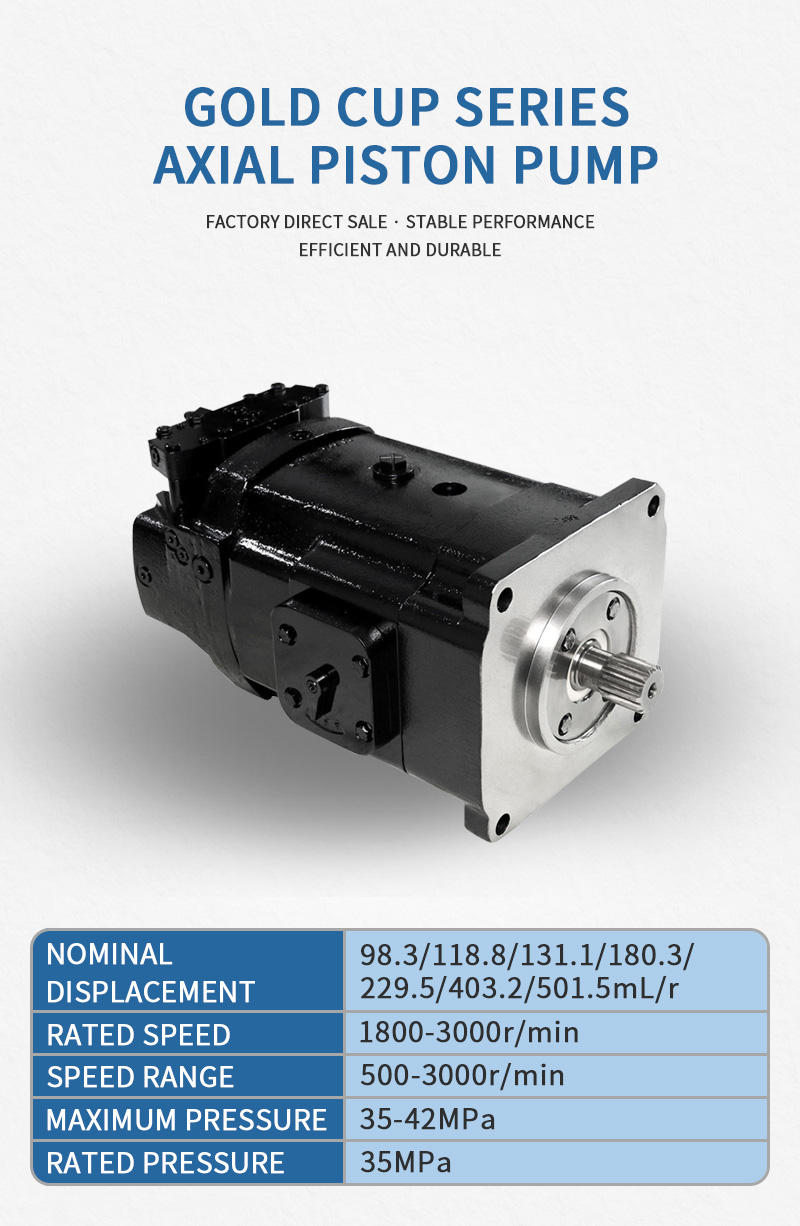
Denison/Parker organizes these pumps by frame size and displacement, typically labeled with numbers like P6, P7, P8, P9, P11, P14, and P24 — larger numbers generally correspond to larger displacement and higher flow capacity. The P7 sits in the mid-range: big enough for serious industrial loads, compact enough to fit into machines where space and weight still matter.
Decoding the Model Number: P7D3R1A9A2B00NP
Manufacturers pack a lot of information into these alphanumeric strings. While exact interpretations should always be confirmed against the manufacturer’s current catalog (codes have shifted slightly across product generations), the general structure tells you:
P7 — Pump series/frame size
D3 — Displacement code, indicating the specific volumetric displacement (cc/rev or in³/rev) for this frame
R1 — Rotation and shaft configuration (e.g., clockwise/counterclockwise, shaft type)
A9 — Control type (pressure compensator, load sensing, remote compensator, horsepower limiter, etc.)
A2 — Mounting or port configuration
B00 — Design/revision level or minor variant
NP — Seal material, special options, or a factory-specific suffix (often denoting nitrile seals or a particular option package)
Why this matters: Two pumps that look nearly identical on a shelf can behave very differently in a system if the control code or seal material doesn’t match your application. Always cross-reference the full part number against the current Parker Denison catalog or a factory-authorized distributor before ordering a replacement — especially on older machines where the original pump may have been superseded by a new part number.
Common Applications
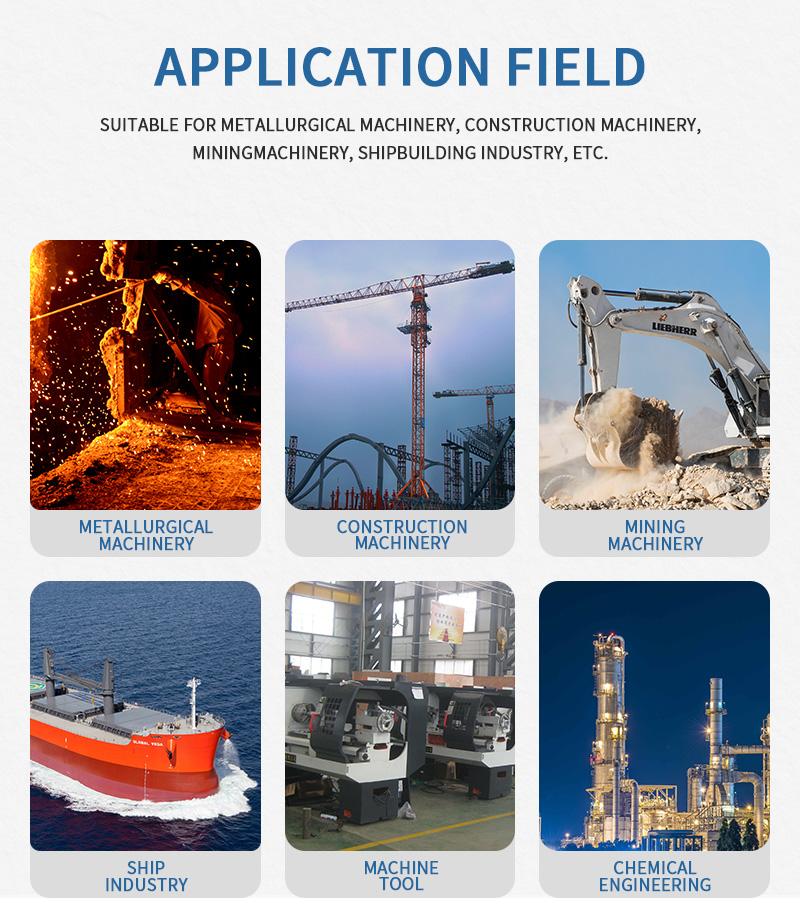
The P7’s balance of pressure capability and controllability makes it a common choice in:
Injection molding machines — where precise pressure/flow control affects part quality and cycle time
Metal forming and stamping presses — which demand high force delivery with repeatable accuracy
Machine tools — where noise and heat generation need to stay low during long production runs
Mobile and off-highway equipment — in configurations built for contamination resistance and vibration
Test stands and lab equipment — where variable displacement control allows fine-tuned pressure profiles
Installation and Maintenance Best Practices
Match fluid cleanliness to spec. Axial piston pumps are sensitive to contamination; even a well-built Gold Cup pump will show accelerated wear if system fluid isn’t filtered to the recommended ISO cleanliness code.
Verify shaft alignment and coupling condition before startup — misalignment is a leading cause of premature bearing wear in piston pumps.
Check case drain flow regularly. A rising case drain flow rate is often the earliest warning sign of internal wear before pressure or noise symptoms appear.
Prime the pump before first startup to avoid running it dry, even briefly, which can score internal components.
Keep a documented baseline of pressure, flow, noise, and case drain temperature when the pump is new or freshly installed, so future readings have something to compare against.
To learn more about Parker Denison hydraulic pumps, please visit https://www.baolilai-pump.com/products/parker-denison/
Frequently Asked Questions (FAQ)
Q1: How to purchase a Parker Denison P7 hydraulic pump
You can visit https://www.baolilai-pump.com/contact_us/ and send us the specific model number; we will provide you with a quote and delivery schedule immediately.
Q2: What does the 12-month warranty cover?
The warranty covers defects in materials and workmanship for one year from the date of purchase, offering protection for drilling contractors, mining operators, and heavy equipment fleets.
Q3: What’s the typical service life of a P7 Gold Cup pump?
Service life varies significantly based on fluid cleanliness, duty cycle, and pressure levels, but properly maintained units in well-filtered systems are known for outlasting many competing pumps in similar duty. There isn’t a single universal number — it’s highly application-dependent.
Q4: What causes noise increases in a P7 pump over time?
Rising noise is commonly linked to cavitation (often from a restricted inlet or degraded fluid), worn piston shoes, or bearing wear. Case drain flow and pressure trending are usually the fastest way to narrow down the cause before teardown.
Specification