Parker Denison P6 gold cup pump P6P8R1C9A2BOOM285294 hydraulic pump
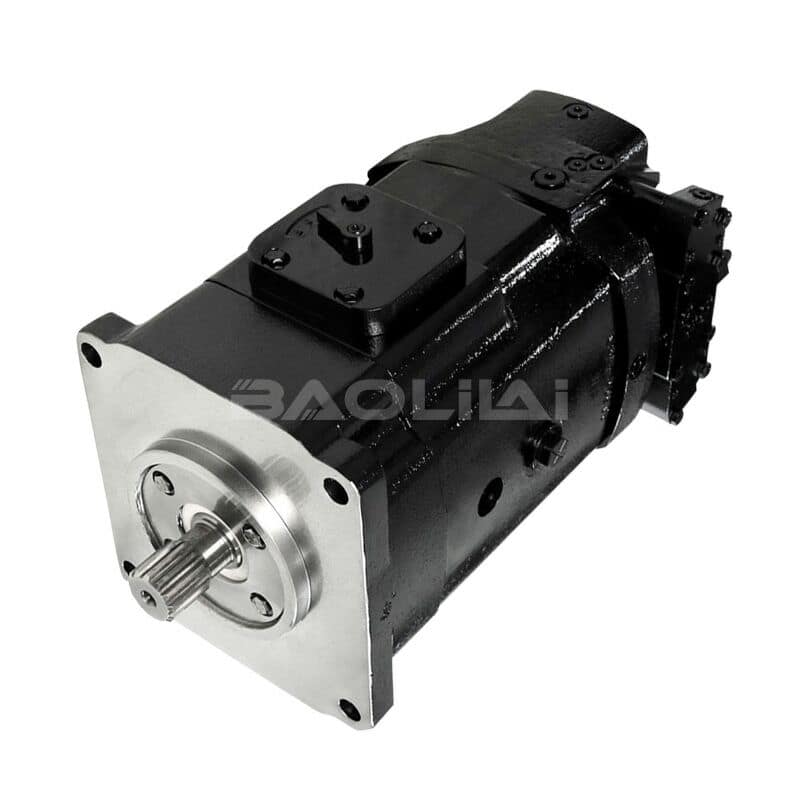
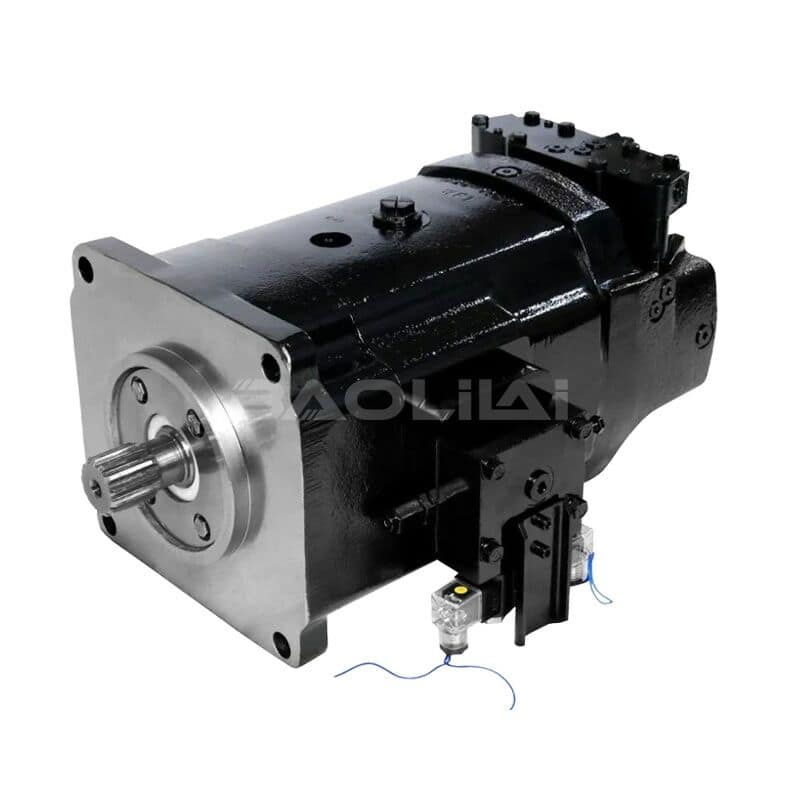
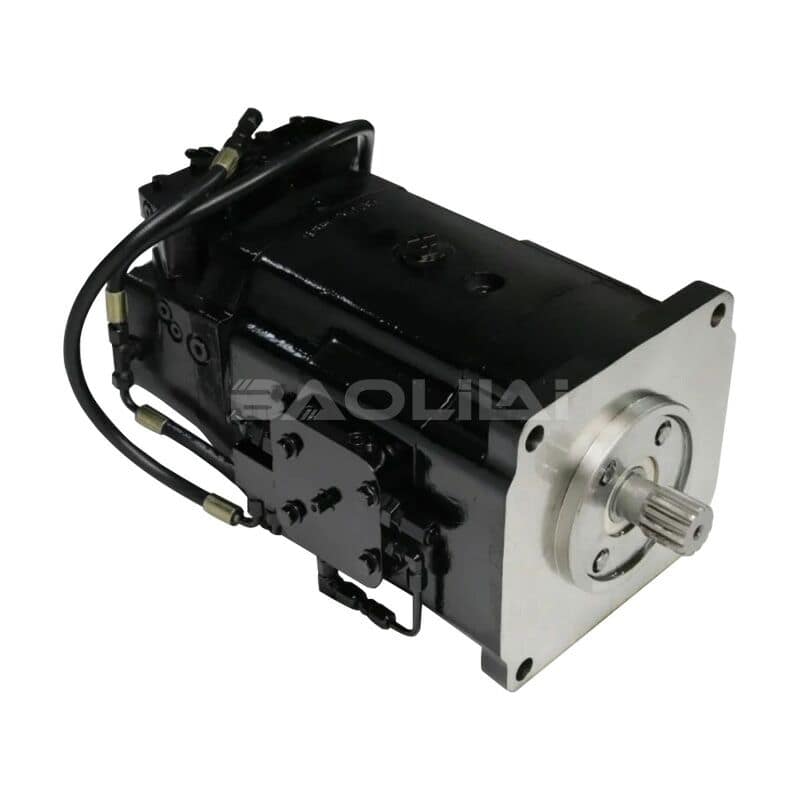
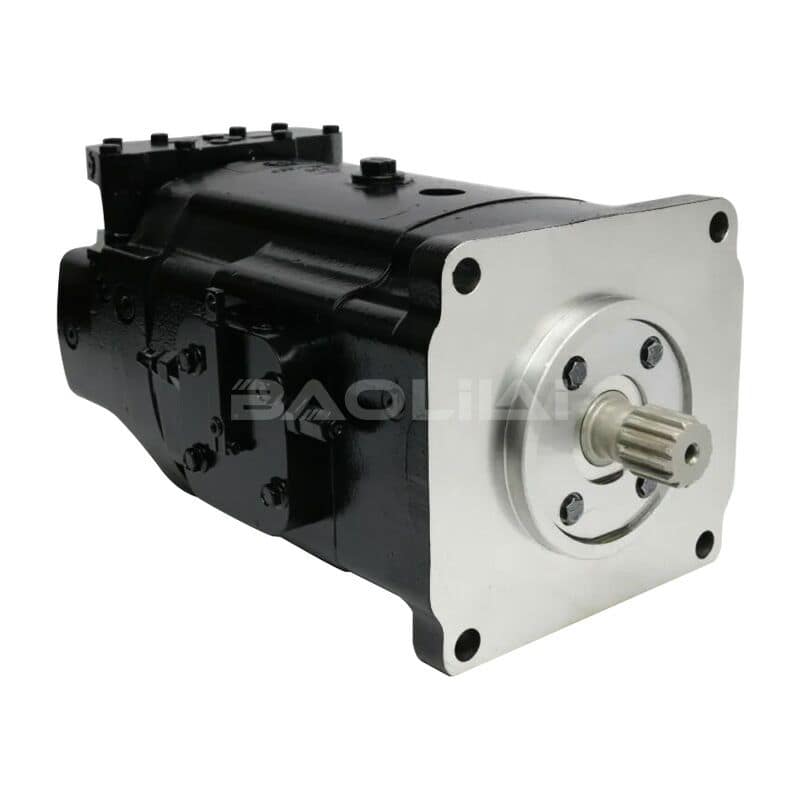
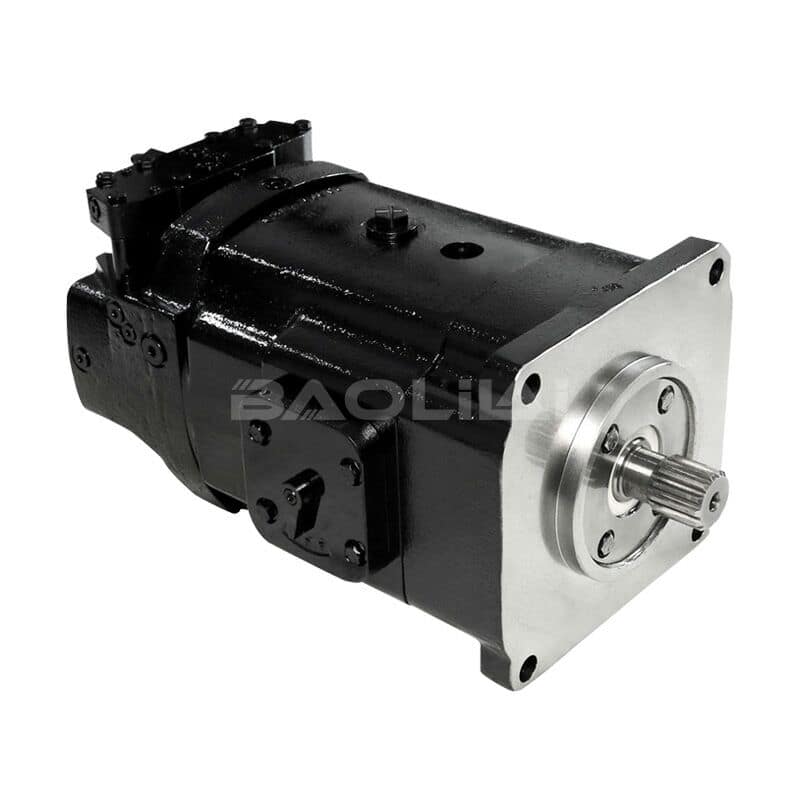
Parker Denison P6 gold cup pump P6P8R1C9A2BOOM285294 hydraulic pump
- Product Details
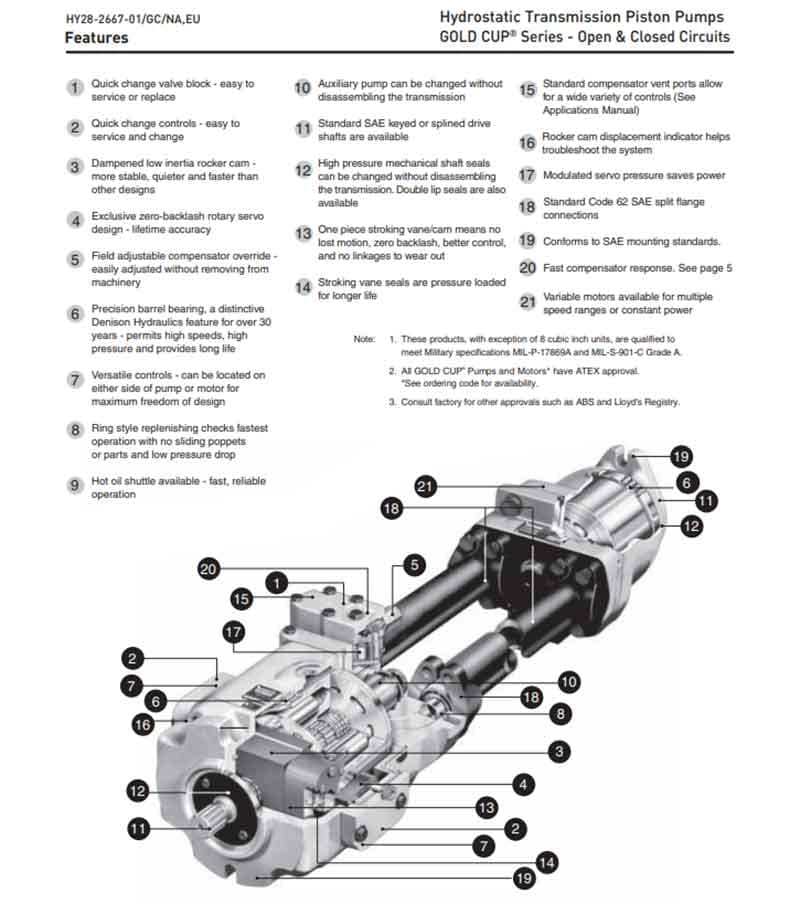
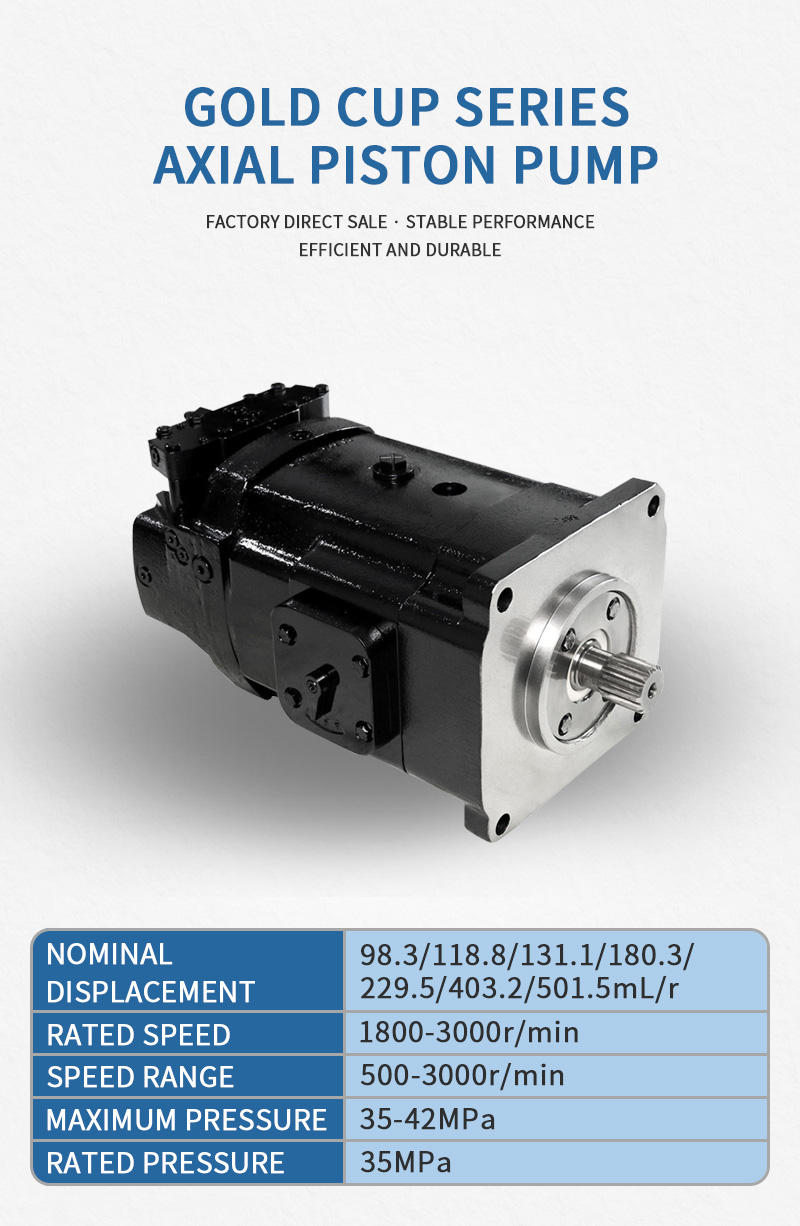
The P6 is the smallest displacement pump in the Gold Cup P-series lineup (P6, P7, P8, P11, P14, P24, P30), but it’s built with the same rugged, closed-loop DNA as its larger siblings. It’s a variable-displacement, swashplate-style axial piston pump, commonly used as the primary pump in hydrostatic transmissions.
Decoding the Part Number: P6P8R1C9A2B00
Parker Denison’s Gold Cup nomenclature isn’t arbitrary — it’s a structured code, similar in spirit to how automotive VINs encode a vehicle’s configuration. A typical string like P6P8R1C9A2B00 breaks down into functional segments:
Frame Size and Series
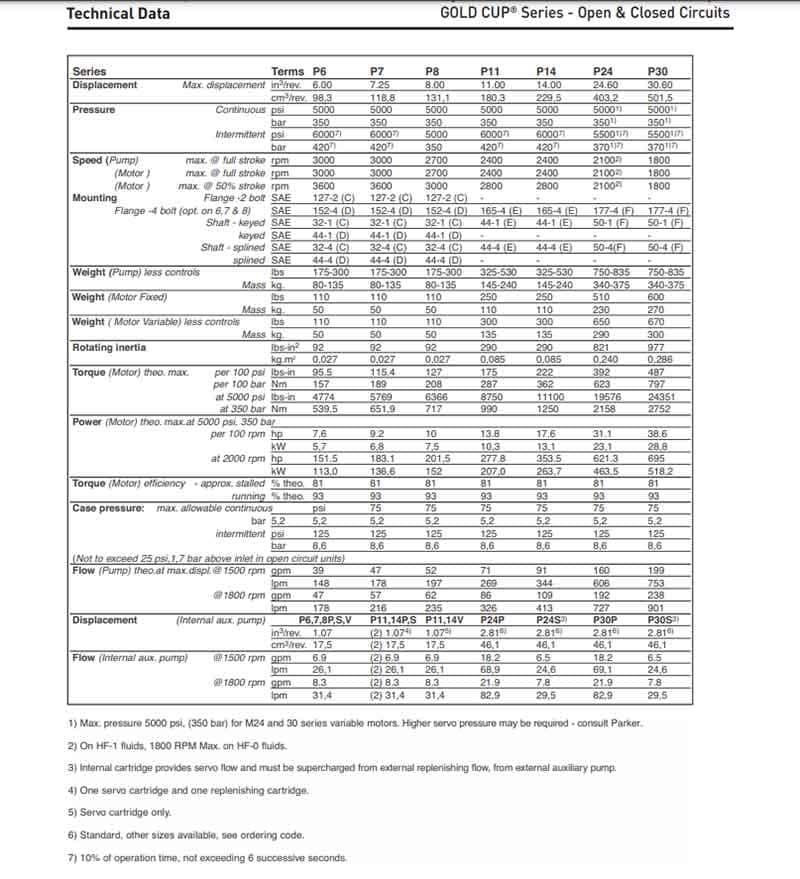
P6 — identifies the frame size and series. This tells you the maximum theoretical displacement (roughly 6 cubic inches/rev, or about 98 cm³/rev) and the pressure family the casting is built for.
Pump Type and Shaft/Mounting Code
P (the second character) — designates the unit as a pump in the P-series (as opposed to an M-series motor).
The following digit/letter combination (in this example, segments like 8, R1) typically encodes the mounting flange, shaft type (splined vs. keyed), and rotation (clockwise or counterclockwise), which must match the prime mover it’s bolted to.
Control and Displacement Code
Segments such as C9 commonly reference the control module fitted to the pump — for example, a rotary servo control, a pressure compensator, an electric proportional control, or a load-sensing valve package.
A2 and similar trailing codes typically refer to port location, relief valve settings, or minor design revisions.
Why the Full Code Matters
Two pumps can both be labeled “P6” and look nearly identical, yet have completely different shafts, control packages, or rotation — meaning they are not interchangeable. This is the single most common mistake buyers make when sourcing a replacement.
Where the P6 Gold Cup Pump Is Used
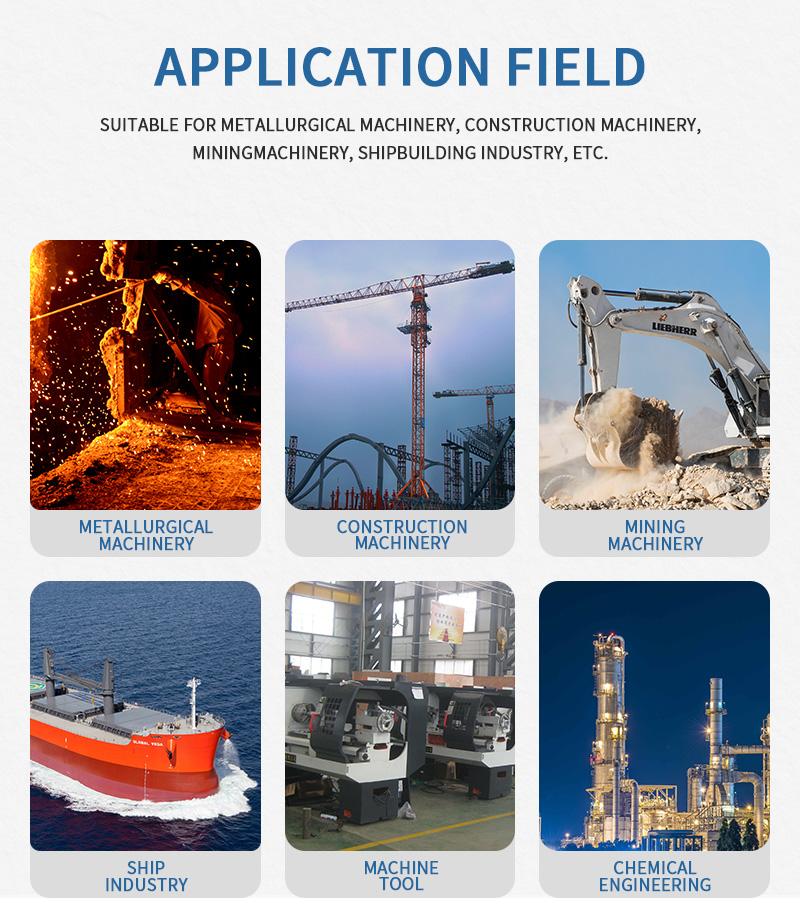
The Gold Cup family was engineered for closed-loop hydrostatic transmissions in demanding mobile and industrial equipment, including:
Blast-hole and rotary drill rigs — where high-pressure, closed-loop rotation drive is essential.
Marine propulsion and deck machinery — winches, thrusters, and steering systems on vessels, a legacy application dating back to Denison’s original shipboard hydraulics work.
Cranes and material handling — swing and travel drive circuits.
Shredding and recycling equipment — where shock loads and reversing duty cycles demand a hydrostatically balanced design.
Military and defense equipment — historically one of Denison’s founding markets.
Maintenance and Troubleshooting Basics
Common Failure Signs
Loss of stroke response — often traces back to a worn or contaminated servo control rather than the pumping section itself.
Increased case drain flow / heat — usually indicates wear in the piston-slipper or barrel-valve plate interface.
Erratic charge pressure — can point to worn replenishing rings or a failing charge relief valve.
Preventive Practices
Maintain fluid cleanliness at or better than the ISO code specified in the Gold Cup service manual — piston pumps are far more sensitive to particulate contamination than gear pumps.
Check shaft alignment with a dial indicator at installation; misalignment is a leading cause of premature bearing failure.
Monitor case drain temperature and flow as an early-warning indicator, since it reflects internal leakage before external symptoms appear.
To learn more about Parker Denison hydraulic pumps, please visit https://www.baolilai-pump.com/products/parker-denison/
Frequently Asked Questions (FAQ)
Q1: How to purchase a Parker Denison P6 hydraulic pump
You can visit https://www.baolilai-pump.com/contact_us/ and send us the specific model number; we will provide you with a quote and delivery schedule immediately.
Q2: What does the 12-month warranty cover?
The warranty covers defects in materials and workmanship for one year from the date of purchase, offering protection for drilling contractors, mining operators, and heavy equipment fleets.
Q3: What’s the difference between the P6, P7, and P8 Gold Cup pumps?
They share the same basic design philosophy but differ in frame size and displacement — P6 is roughly 98 cm³/rev, P7 around 119 cm³/rev, and P8 around 131 cm³/rev — so they are not physically interchangeable despite looking similar.
Q4: What fluids are compatible with the Gold Cup P6 pump?
Standard mineral-based hydraulic oils are typical, but the pump can often be configured for fire-resistant fluids depending on seal material selection — this should be confirmed against the specific control and seal code on the nameplate, not assumed from the base part number.
Specification