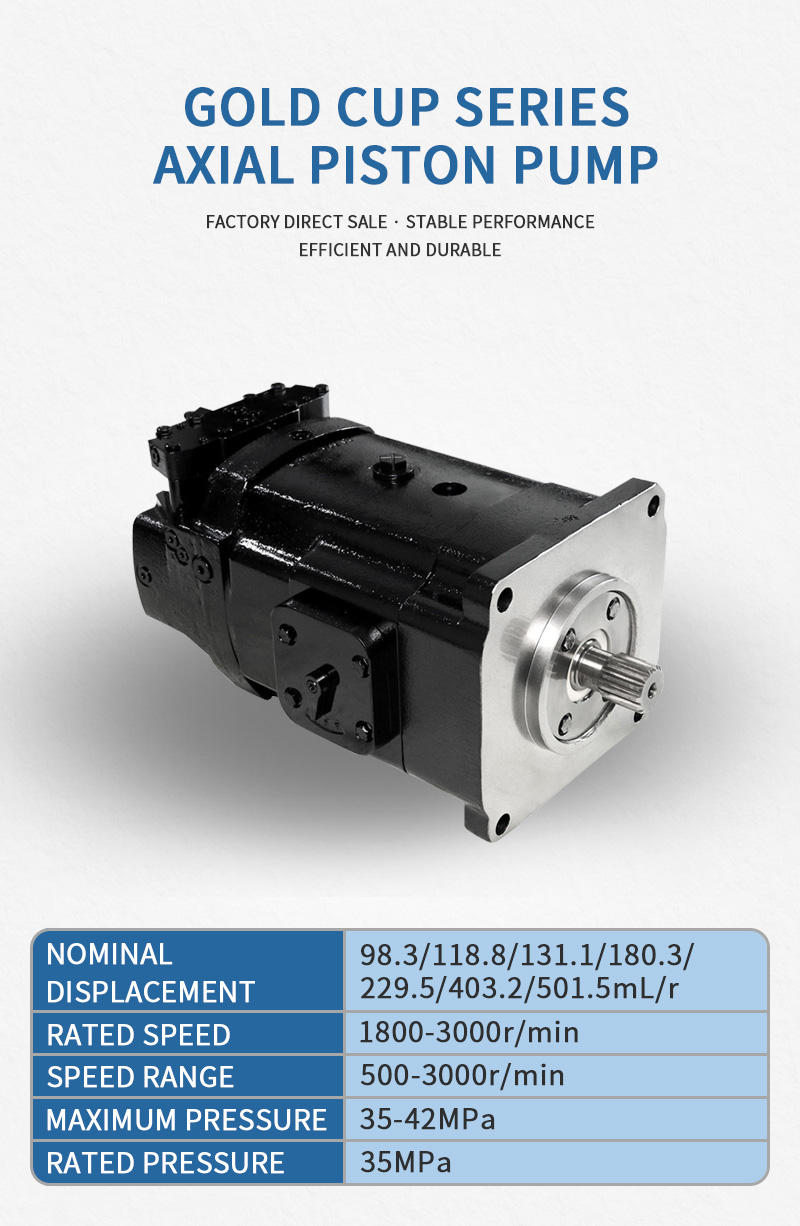
Denison P14 gold cup pump P14P3R1C9A2A00 P14P3L1C4A2A00 hydraulic pump
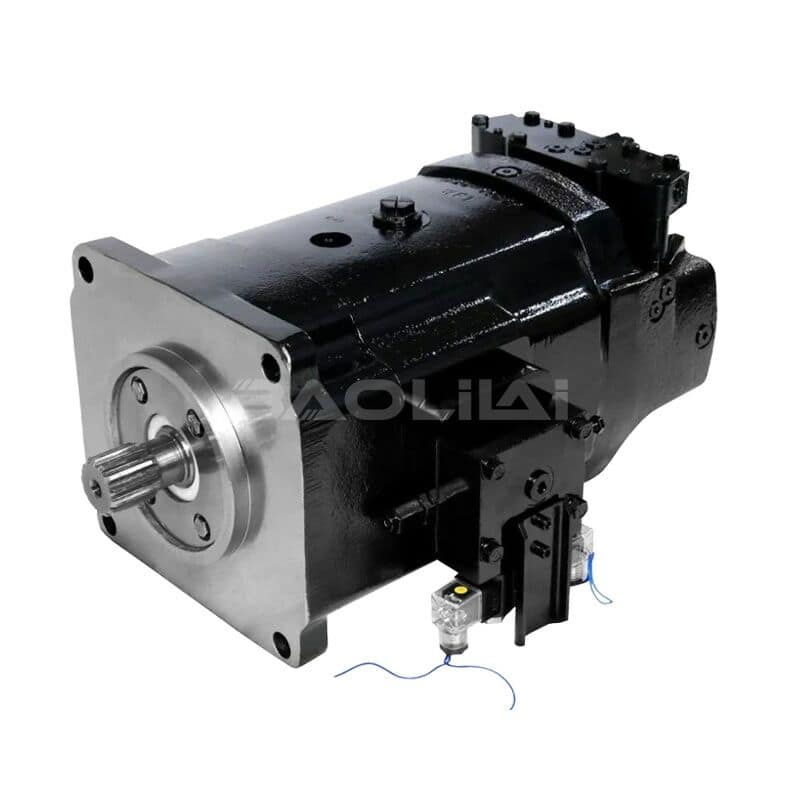
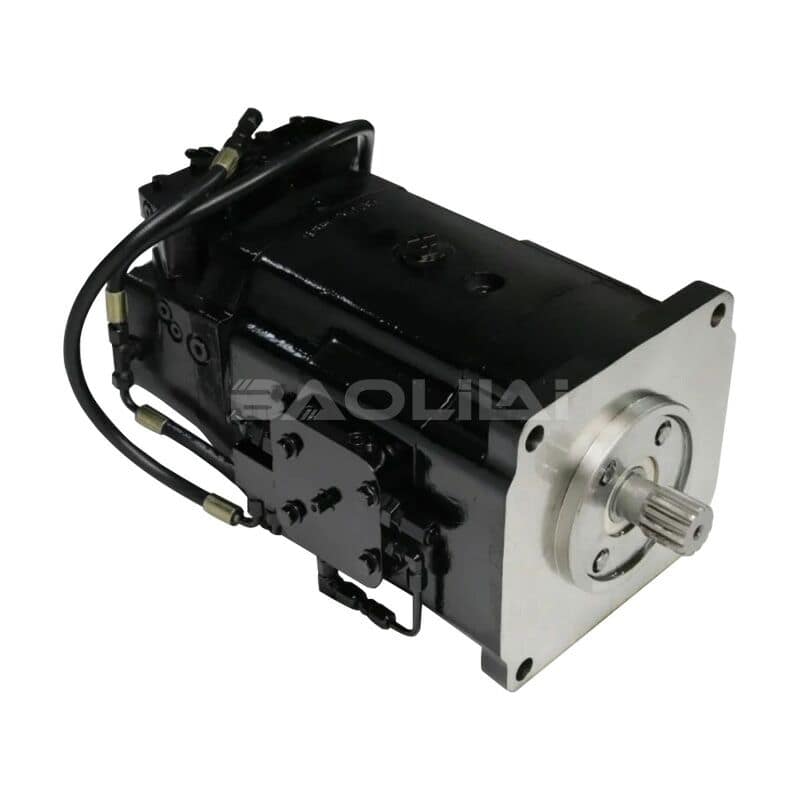
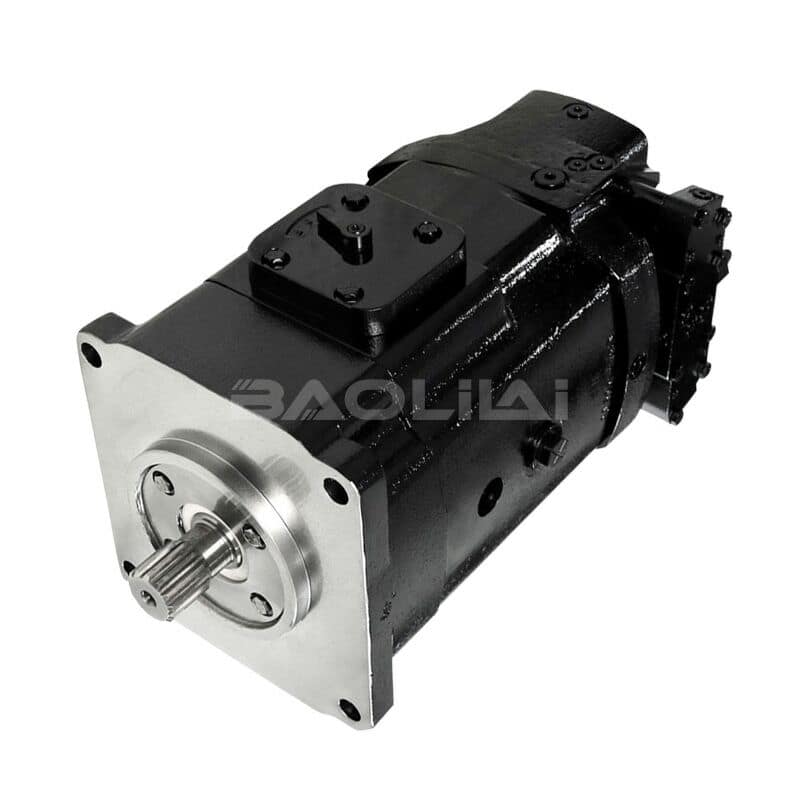
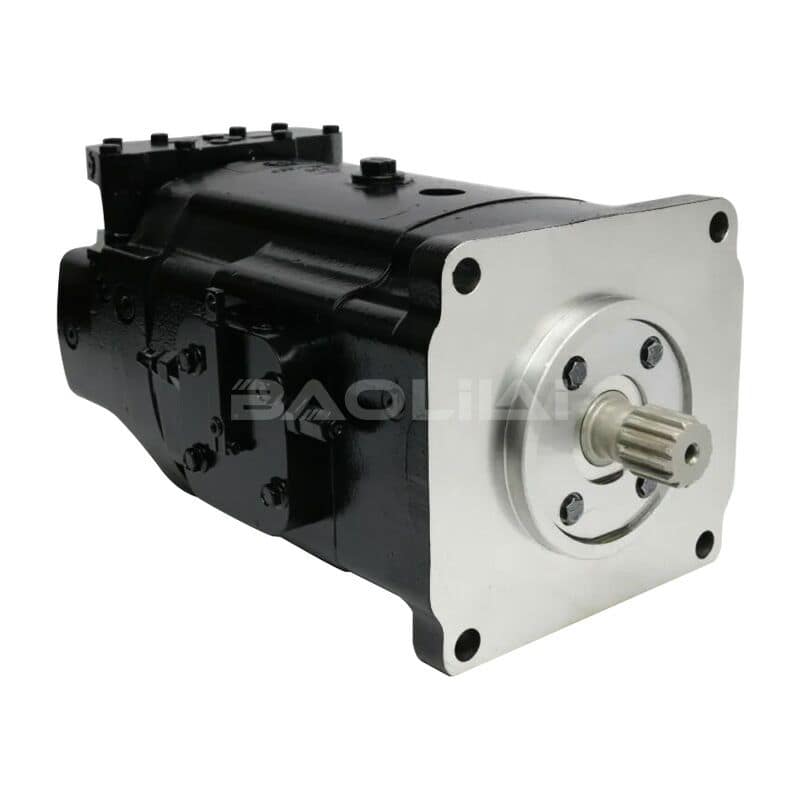
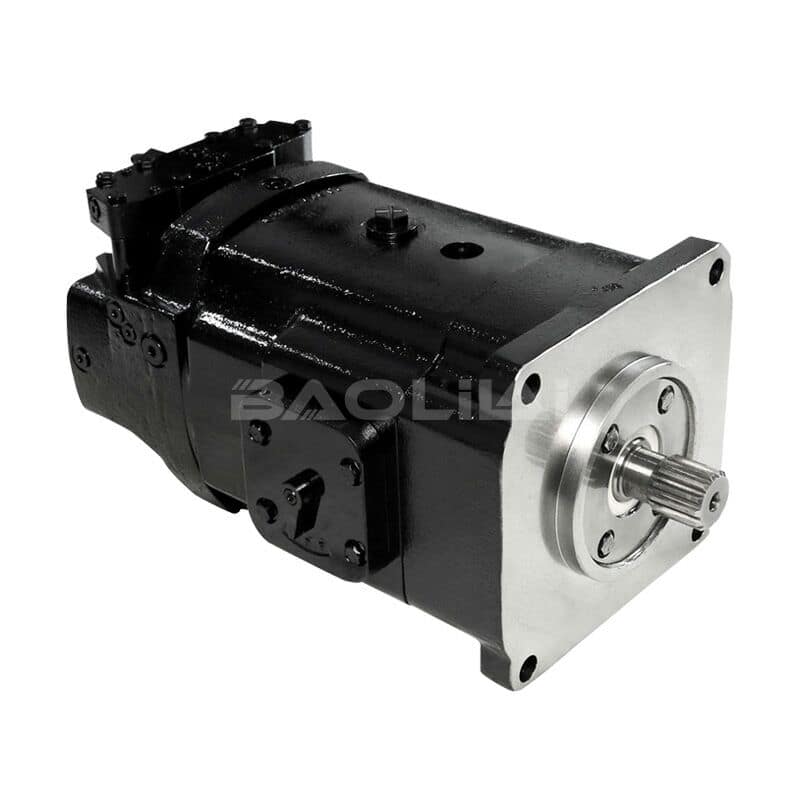
Denison P14 gold cup pump P14P3R1C9A2A00 P14P3L1C4A2A00 hydraulic pump
- Product Details
The Gold Cup series is a family of variable-displacement axial piston pumps and motors originally developed under the Denison Hydraulics name and now manufactured under Parker Hannifin, following Parker’s acquisition of Denison. The “P14” designation refers to displacement class — 14 cubic inches per revolution — placing it in the mid-to-large size range of the Gold Cup lineup, which also includes P6, P7, P8, P11, P24, and P30 frames.
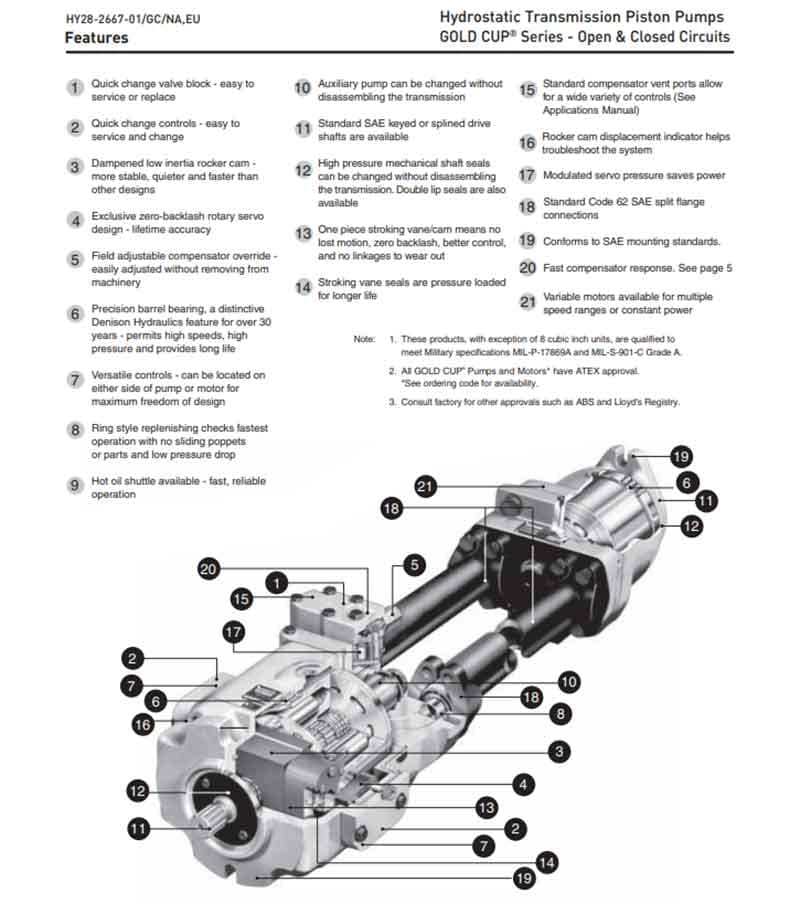
What separates Gold Cup pumps from ordinary piston pumps is the combination of a rugged barrel-bearing design with an internal servo/replenishing system, letting the pump use the hydraulic circuit’s own pressure to control its swashplate stroke. That’s what makes it a favorite for closed-loop, high-pressure, high-power-density applications rather than simple open-circuit transfer work.
Decoding the Part Number: P14P3R1C9A2A00 vs P14P3L1C4A2A00
Denison/Parker part numbers look intimidating, but they’re really a compact spec sheet. Reading left to right:
P14 — Frame size and pump family (14 in³/rev displacement class)
P — Pump function (as opposed to “M” for motor)
3 — Design series/generation
R1 / L1 — Rotation and control-side designation (right-hand vs. left-hand control configuration)
C9 / C4 — Control type/compensator code
A2 — Shaft and mounting configuration
A00 — Options/revision suffix
What Actually Differs Between the Two Models
The most visible difference between P14P3R1C9A2A00 and P14P3L1C4A2A00 is in the control/rotation segment — “R1C9” versus “L1C4.” In practice, this usually reflects a different control configuration and rotational handedness rather than a change in core displacement or pressure rating. Both remain within the same P14 frame, so the fundamental pressure, speed, and displacement envelope is shared; the distinction matters most when you’re matching a replacement pump to an existing drive train, control linkage, or manifold, where handedness and compensator type have to line up exactly.
This is also why cross-referencing by part number — rather than by “P14 Gold Cup” alone — matters so much when ordering a replacement. Two pumps in the same family can be mechanically incompatible with a given machine if the control configuration doesn’t match.
Technical Specifications
Regardless of the specific suffix, P14 Gold Cup pumps share a common technical envelope:
Displacement and Pressure
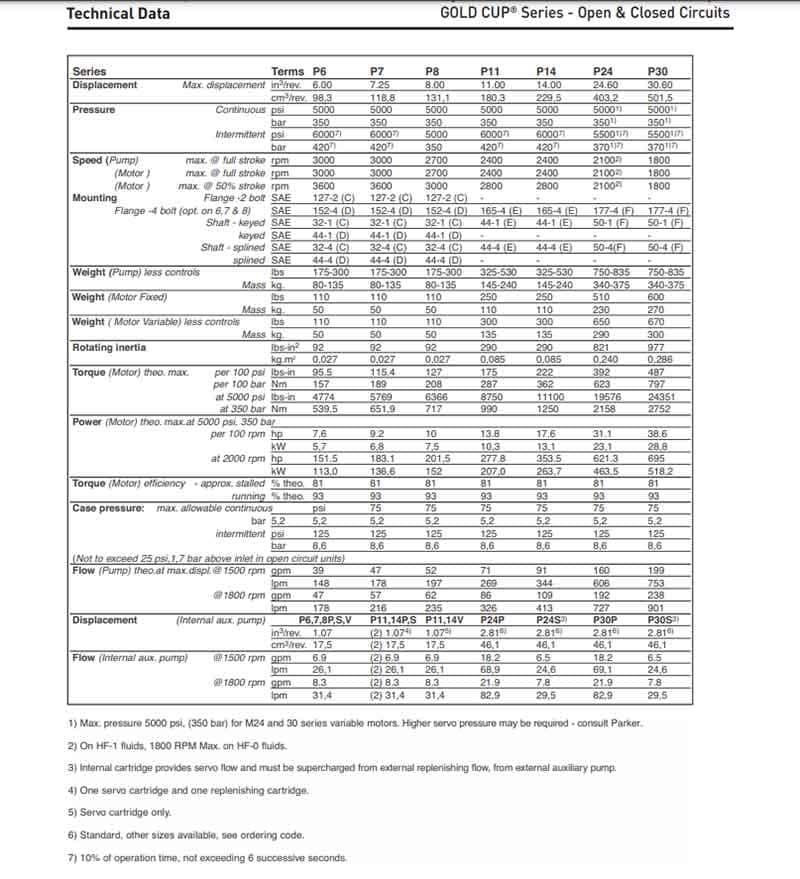
Maximum displacement: approximately 14.0 in³/rev (about 229.5 cm³/rev)
Continuous operating pressure: 5,000 psi (350 bar)
Intermittent operating pressure: up to 6,000 psi (420 bar)
Speed and Mechanical Construction
Maximum speed: in the range of 2,400–3,600 rpm at full stroke, depending on the exact control variant and duty cycle
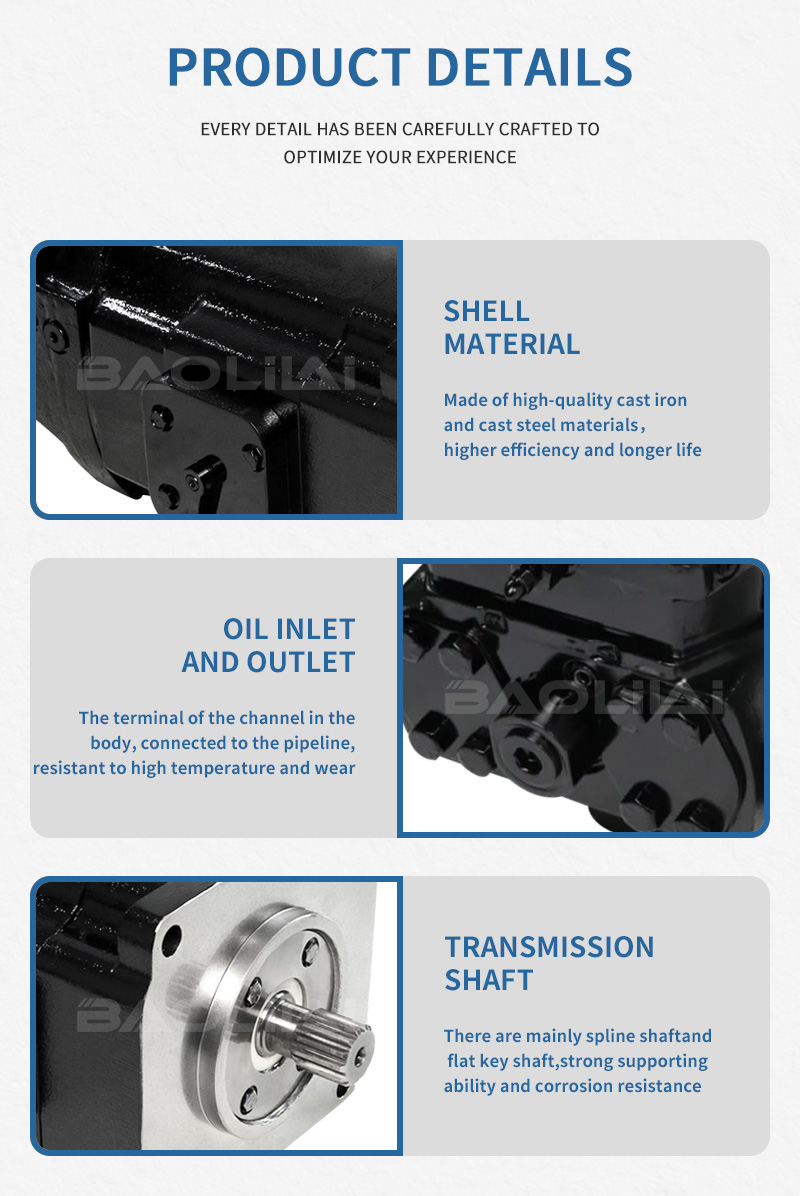
Housing material: cast iron
Bearing design: precision barrel bearing for high-speed, high-pressure stability
Shaft options: standard SAE keyed or splined drive shafts
Connections: Code 62 SAE split-flange ports as standard
These numbers put the P14 solidly in “heavy industrial” territory — well above what you’d see in a typical mobile hydraulic transfer pump, and closer to what’s needed for closed-loop drive systems on rigs and cranes.
Applications and Real-World Examples
Example 1: Blast-Hole Drill Rigs
On a surface drill rig, the P14 Gold Cup typically drives the rotary head or feed system, where closed-loop control lets the operator hold precise torque and speed while drilling through variable rock strata. The pump’s ability to handle intermittent pressure spikes up to 6,000 psi is exactly what’s needed when the bit hits a harder seam mid-hole.
Example 2: Offshore and Marine Cranes
Marine crane hoist circuits demand a pump that won’t hesitate on load reversal — lowering a load, then suddenly needing to arrest and lift again. The Gold Cup’s fast compensator response (engineered for no more than roughly 10% pressure overshoot under rated conditions) keeps the load smooth and predictable, which is a safety issue as much as a performance one on a moving vessel.
Example 3: Shredders and Mining Equipment
In scrap shredders and underground mining machinery, contamination and shock loading are constant threats. The pump’s hydrostatically balanced components and robust barrel bearing are built to shrug off the particulate contamination and mechanical shock that shorten the life of lighter-duty piston pumps.
Frequently Asked Questions (FAQ)
Q1: How do I select the correct P14 gold cup pump variant for my equipment?
The choice among P14F, P14L, P14M, P14P, P14R, P14S, P14V, and P14X depends on your machine’s speed and pressure requirements. Consult your equipment’s hydraulic schematic and compare against the displacement and speed ratings in the specification table. Technical datasheets are available for download at www.baolilai-pump.com/contact_us/.
Q2: What does the 12-month warranty cover?
The warranty covers defects in materials and workmanship for one year from the date of purchase, offering protection for drilling contractors, mining operators, and heavy equipment fleets.
Q3: What industries commonly use this pump?
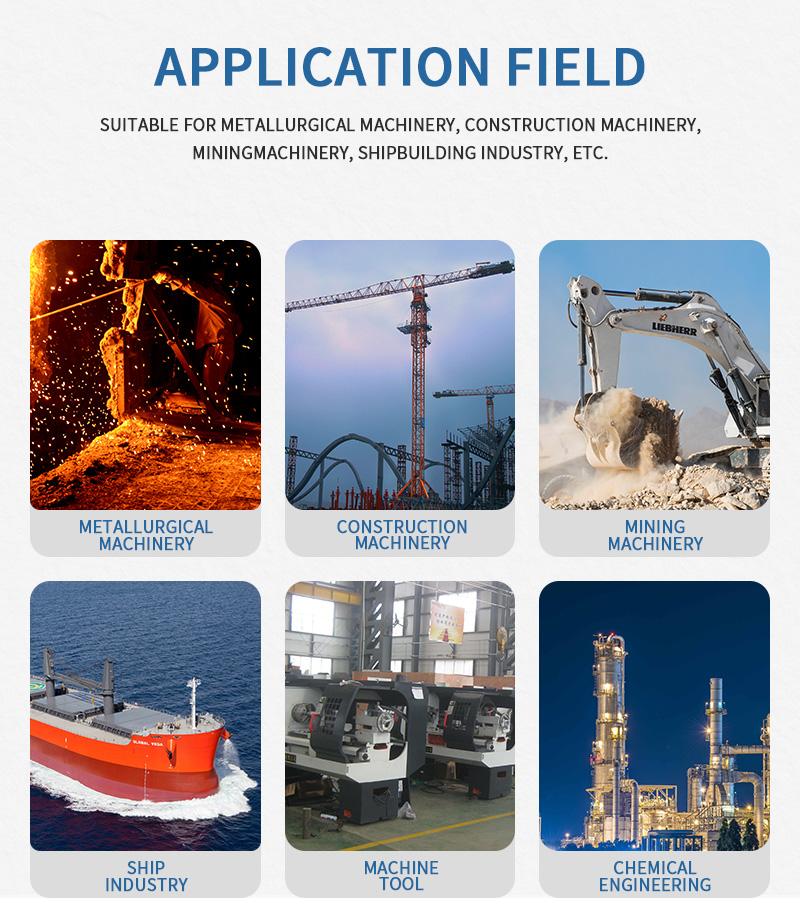
Blast-hole drilling, cranes, marine and offshore equipment, military vehicles, mining machinery, power generation, pulp and paper processing, and shredding equipment.
Q4: How do I find the exact replacement for my existing pump?
Always match the full part number stamped on the pump’s nameplate rather than ordering by series name alone, since control type and rotation codes affect compatibility with your existing manifold and drive coupling.
Specification