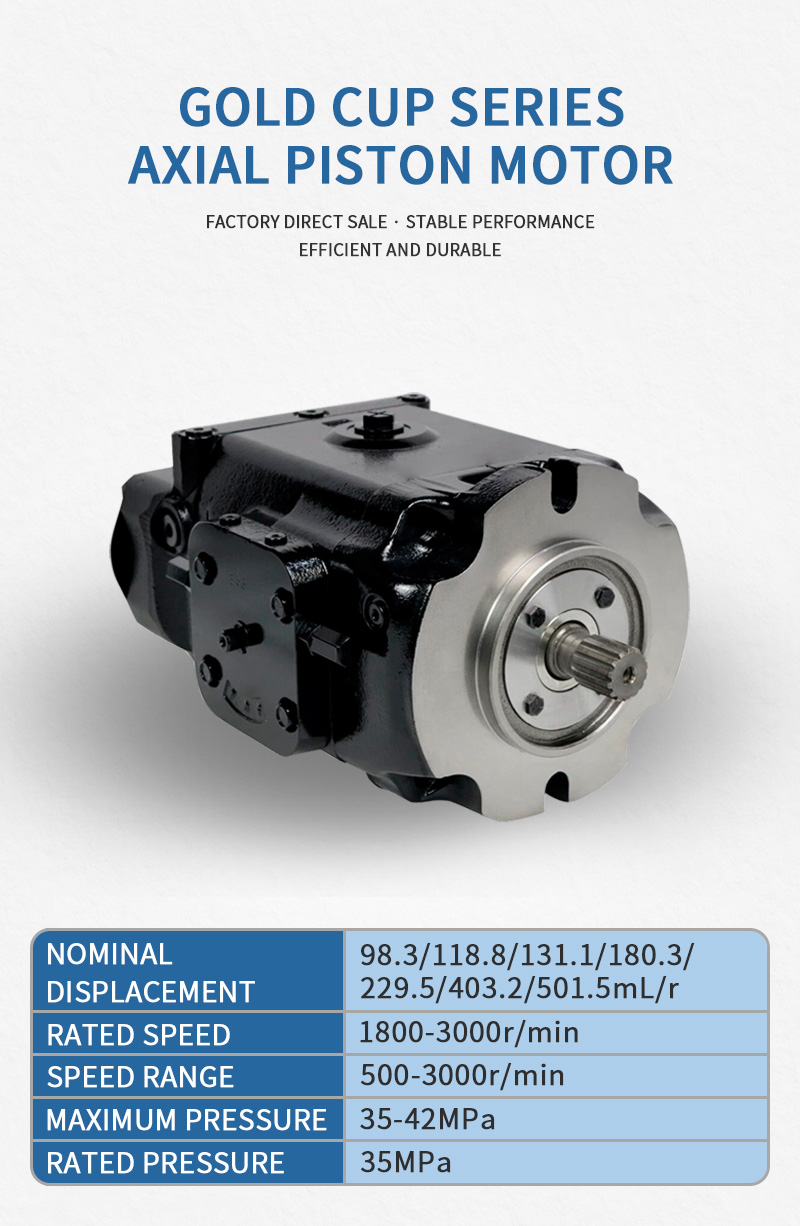
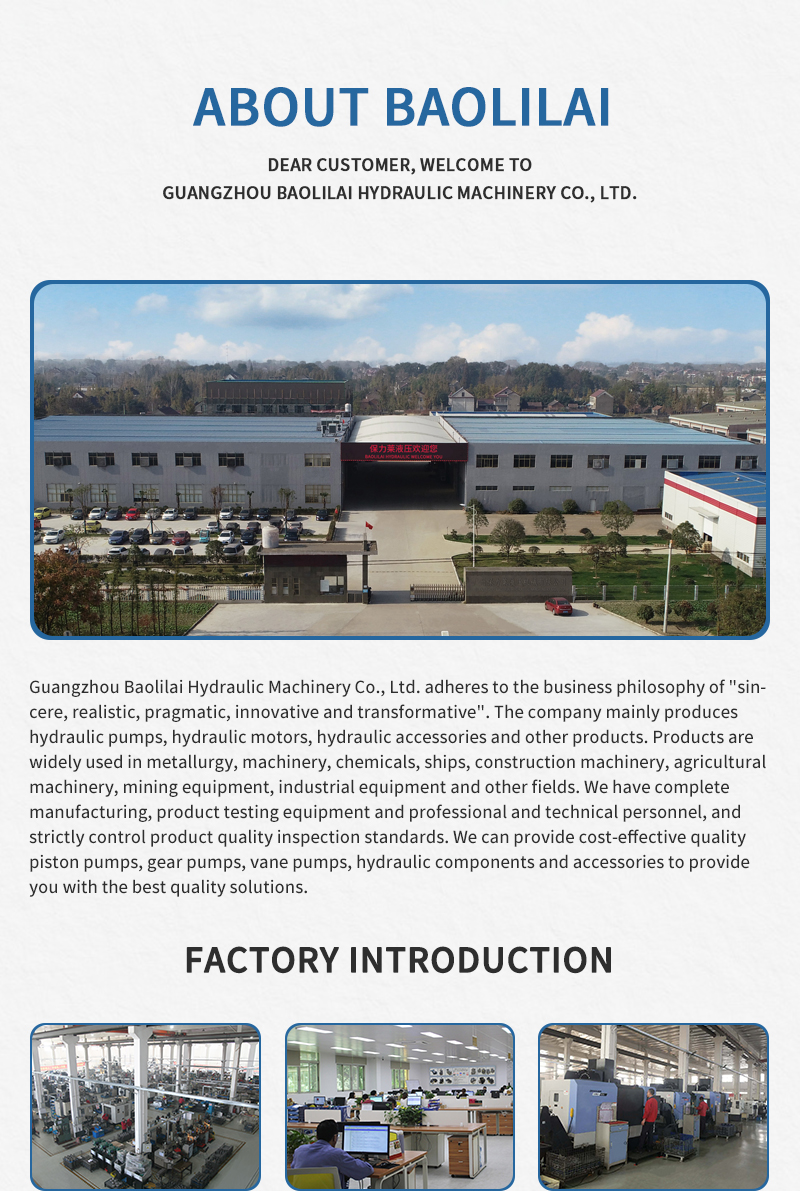
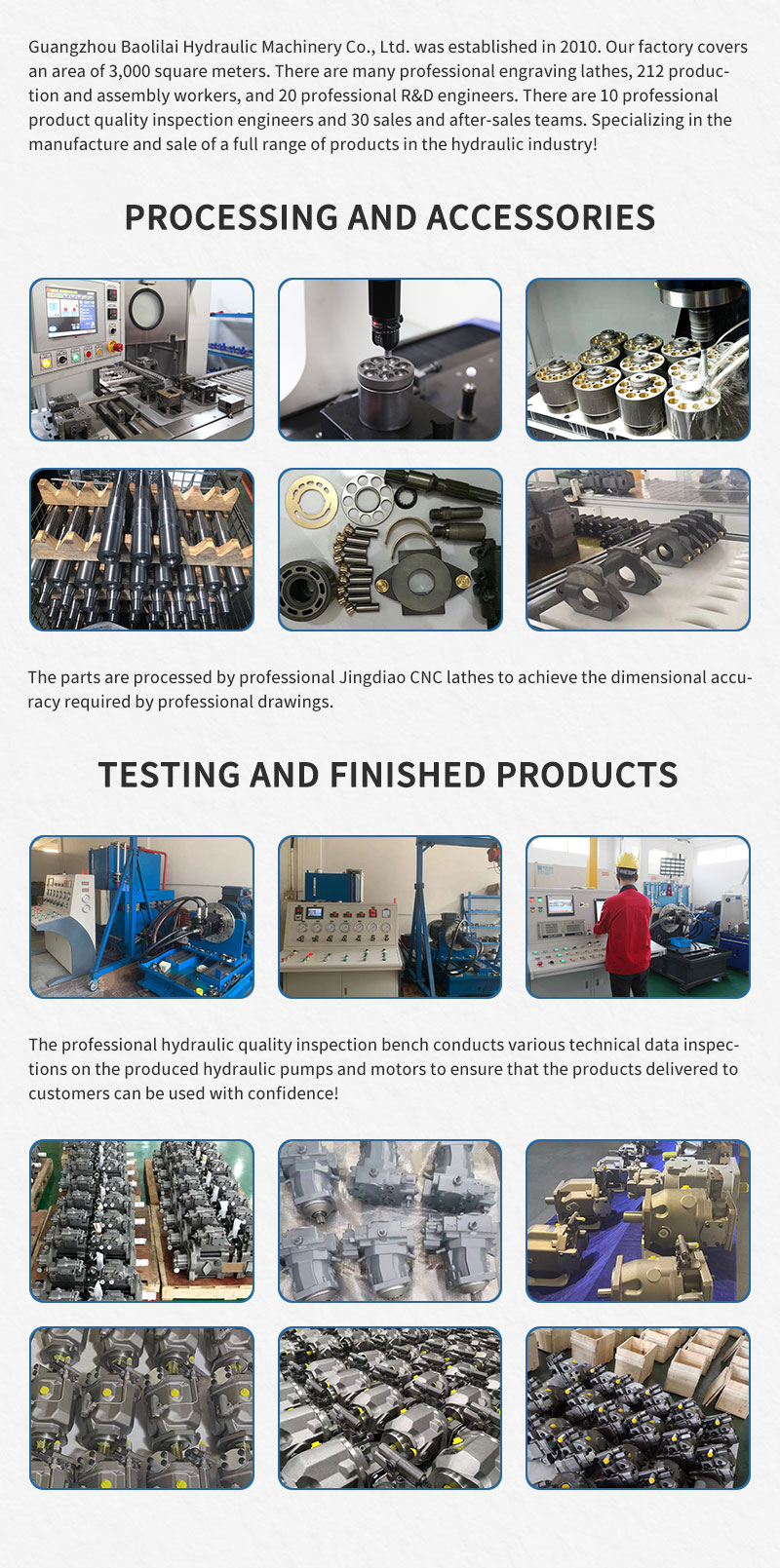
Parker Denison M6 gold cup motor M6M3NID00 M6G3N1D02 hydraulic motor
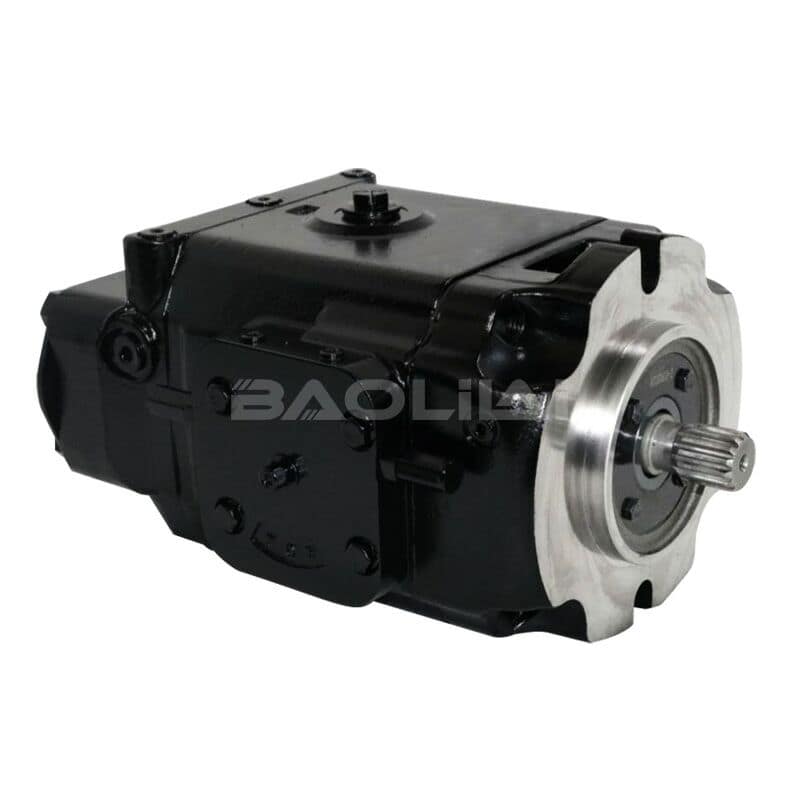
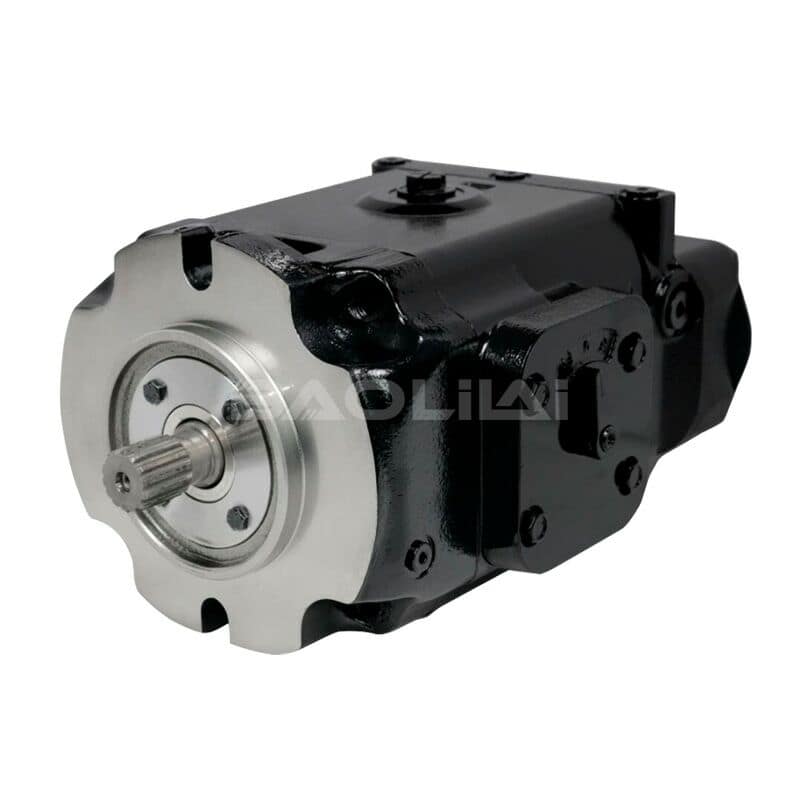
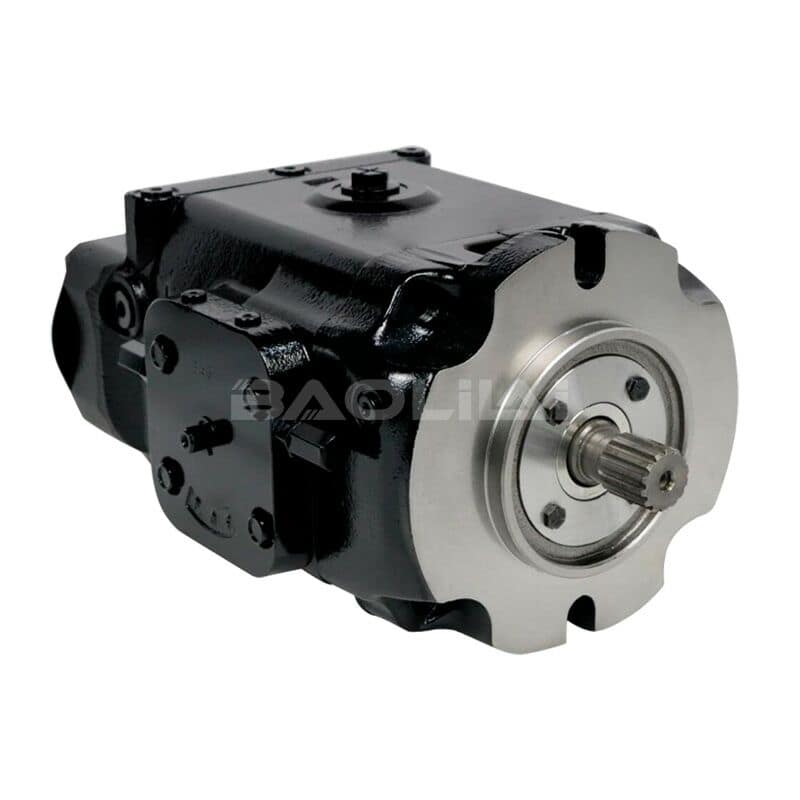
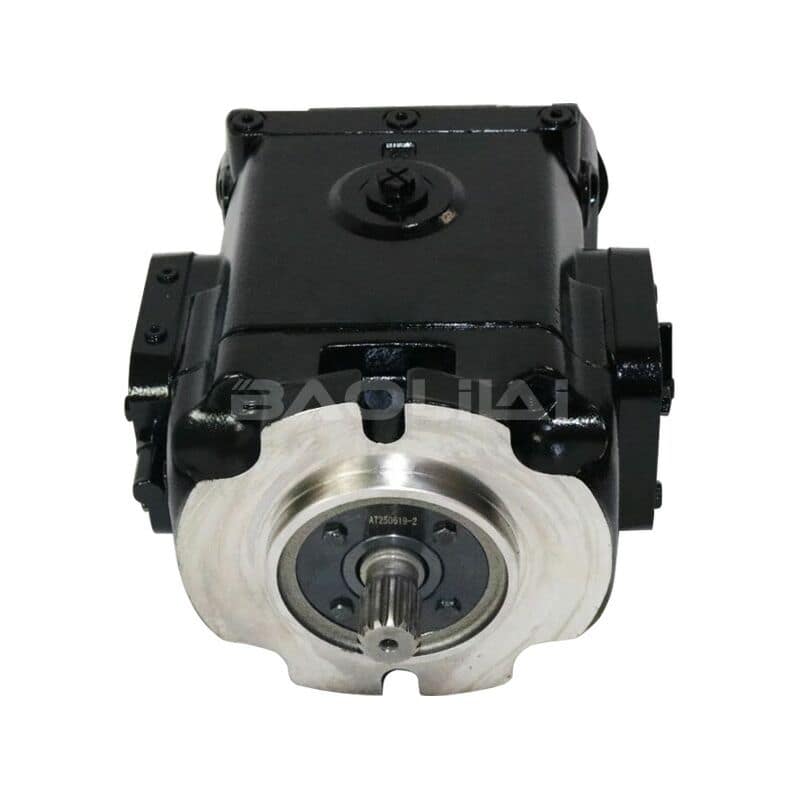
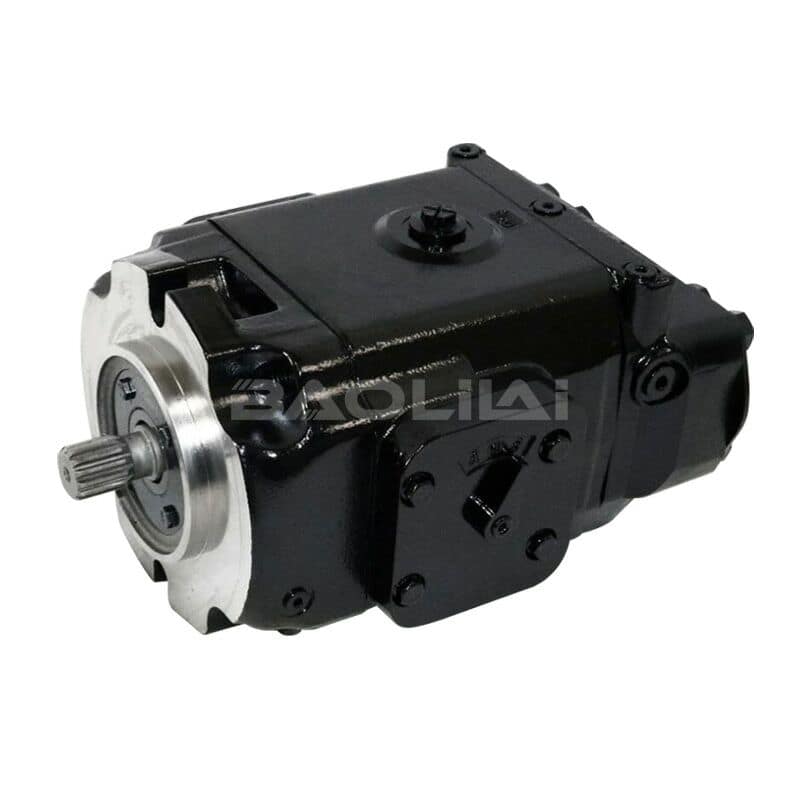
Parker Denison M6 gold cup motor M6M3NID00 M6G3N1D02 hydraulic motor
- Product Details
The Gold Cup series is a line of heavy-duty axial piston pumps and motors originally developed by Denison Hydraulics and now manufactured under the Parker Hannifin brand, following Parker’s acquisition of Denison in 2004. The lineup spans frame sizes from M6 up through M30, with the M6 sitting at the compact end — the go-to choice when you need Gold Cup-level ruggedness but don’t need the displacement of an M14 or M24.
Decoding the Part Number: M6M3NID00 and M6G3N1D02
Gold Cup part numbers look intimidating, but they follow a consistent logic once you break them into segments. Using M6M3N1D02 as a template (note: “NID” in a part number is almost always a misread or mistyped “N1D” — the numeral one, not the letter I):
Frame Size — “M6”
The leading “M” identifies the unit as a motor (as opposed to “P” for pump). The “6” is the frame size, indicating the smallest displacement class in the Gold Cup motor range — roughly 66–98 cc/rev depending on cam angle and configuration.
Displacement Type — “M” or “G”
The third character tells you whether the unit is fixed or variable displacement:
F / G / M / N — Fixed displacement motor. Delivers constant torque per bar of pressure with no internal stroke control.
H / V / R / L — Variable displacement motor with an integral servo control, letting output speed and torque change without altering pump flow.
So an M6M… part number is a variable-displacement M6, while an M6G… part number is a fixed-displacement M6 — two different animals doing different jobs in the same hydraulic circuit, even though they share a frame size.
Cam Angle and Configuration Digits
The following digit (the “3” in both example numbers) typically encodes cam angle and rotation/mounting configuration, which directly sets the motor’s displacement per revolution. Gold Cup M6 motors are commonly offered with 13°, 15°, and 17° cam angles, corresponding to roughly 66, 76, and 87–98 cc/rev respectively.
Control and Port Options — “N1D”
Later characters (like the “N1D” segment) reference the control type — for example, servo control, pressure-compensated control, or torque-limiter options — along with shaft, port, and mounting variations. This is where two motors with the same frame size and cam angle can behave very differently on the same pump.
Suffix / Revision Code — “00” or “02”
The trailing two digits (“00,” “02,” etc.) are typically a revision or option-package suffix. It’s common to see the same base configuration carry different suffixes across production runs, which is why two part numbers that look almost identical — like M6M3N1D00 and M6G3N1D02 — can actually represent different displacement types (variable vs. fixed) entirely, not just a minor revision.
> Practical takeaway: Never assume two Gold Cup part numbers are interchangeable just because they look similar. Always verify against the nameplate and, ideally, a current Parker cross-reference before ordering a replacement or rebuild kit.
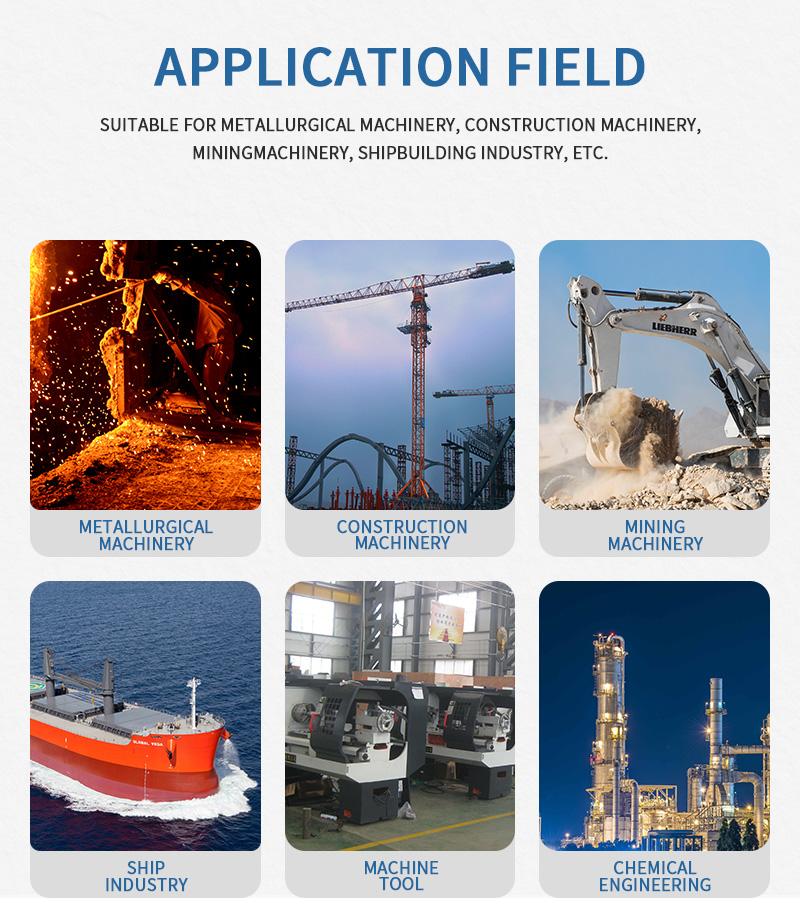
Common Applications
Drilling Rigs
Blast-hole and rotary drill rigs use M6-frame Gold Cup motors in propel and rotation drives, where the closed-loop hydrostatic system needs precise speed control under constantly changing load.
Marine and Shipboard Systems
Given Denison’s military and naval heritage, Gold Cup motors continue to show up in shipboard winches, steering gear, and auxiliary hydraulic systems where reliability in harsh, high-vibration environments is non-negotiable.
Cranes and Material Handling
Variable-displacement M6 motors are common in slew and hoist drives, where operators need smooth speed modulation without shock-loading the structure.
Shredding and Recycling Equipment
The M6’s compact frame and high torque density make it a fit for smaller shredder and grinder drives that still need Gold Cup-level durability.
Quick Answers to Your Questions
Q: What’s the maximum pressure the M6 Gold Cup motor can handle?
A: Gold Cup M6 motors are typically rated up to 420 bar (6,000 psi), though the practical continuous-duty pressure for a given application depends on the specific control and cam configuration.
Q: Where are Parker Denison M6 Gold Cup motors most commonly used?
A: Drilling rigs, marine and shipboard hydraulics, cranes, and shredding/recycling equipment are the most common applications, largely because the M6’s compact frame still delivers Gold Cup-level durability and torque density.
Q: Can the M6 run on fire-resistant fluids?
A: Yes – with optional FKM seals, it handles HFC (water-glycol) and HFD (phosphate ester) fluids.
Q: Where do I get official service docs for my Sandvik or Epiroc machine?
A: Visit sandvik.com (Parts & Services), (Technical Support), or (legacy).
📢 Your Next Step
The Parker Denison M6 gold cup motor gives your Atlas Copco drill the speed, toughness, and support you need to stay productive. Download the complete technical datasheet at www.baolilai-pump.com/contact_us/. Have an installation question? Our video engineers are ready.
Specificatio