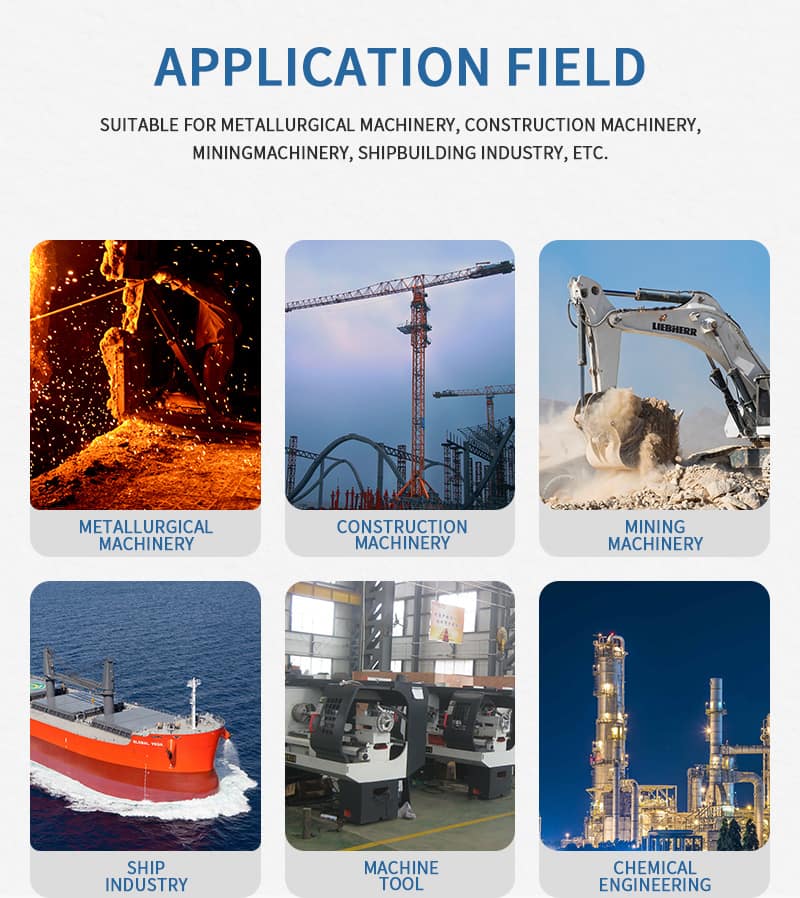
Sandivk 002764-017 701710 002764-003 701590 Denison P7 hydraulic pump
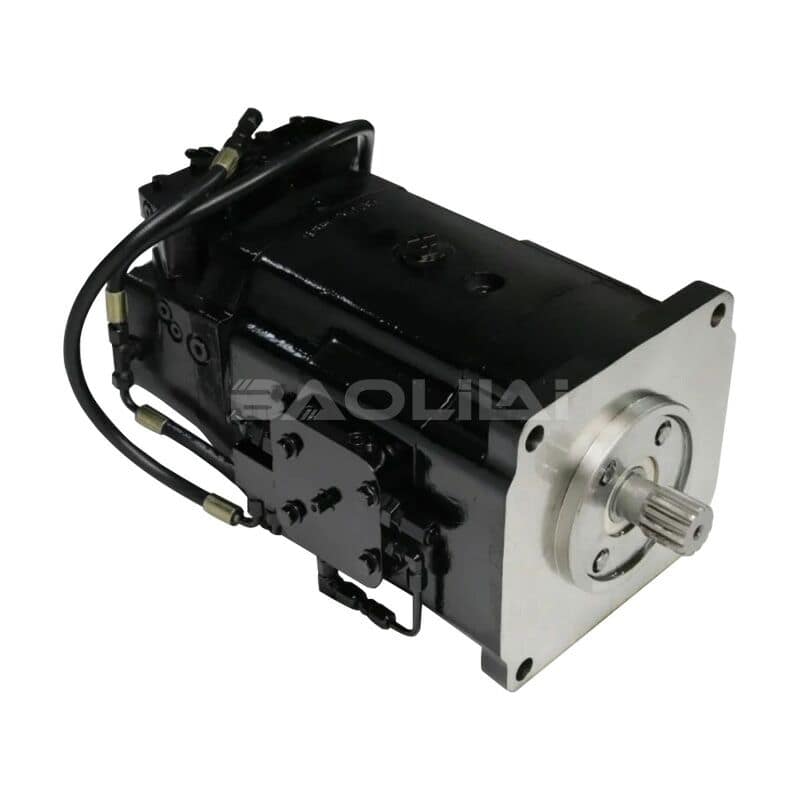
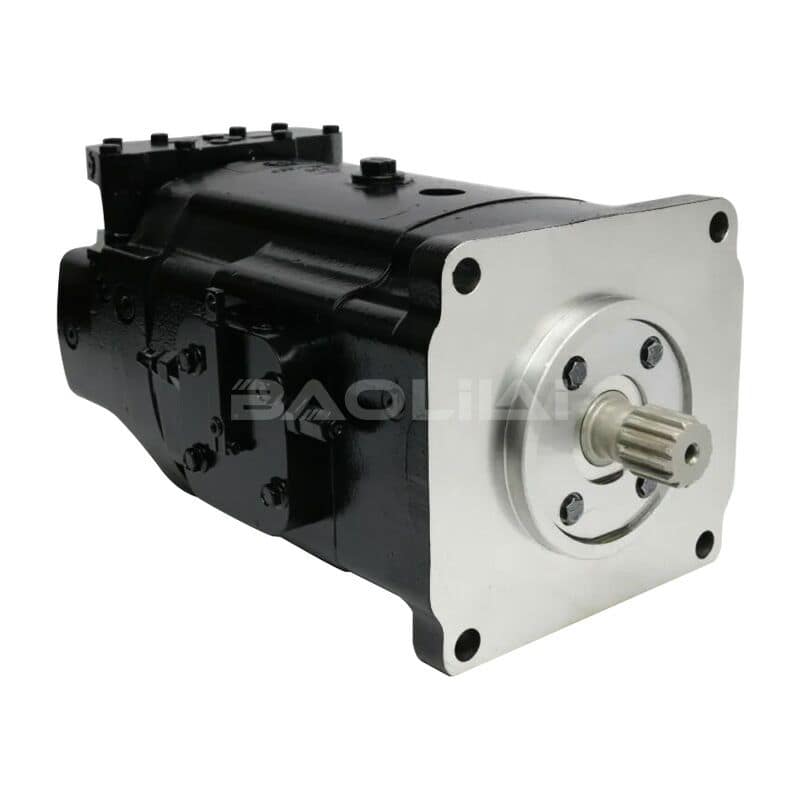
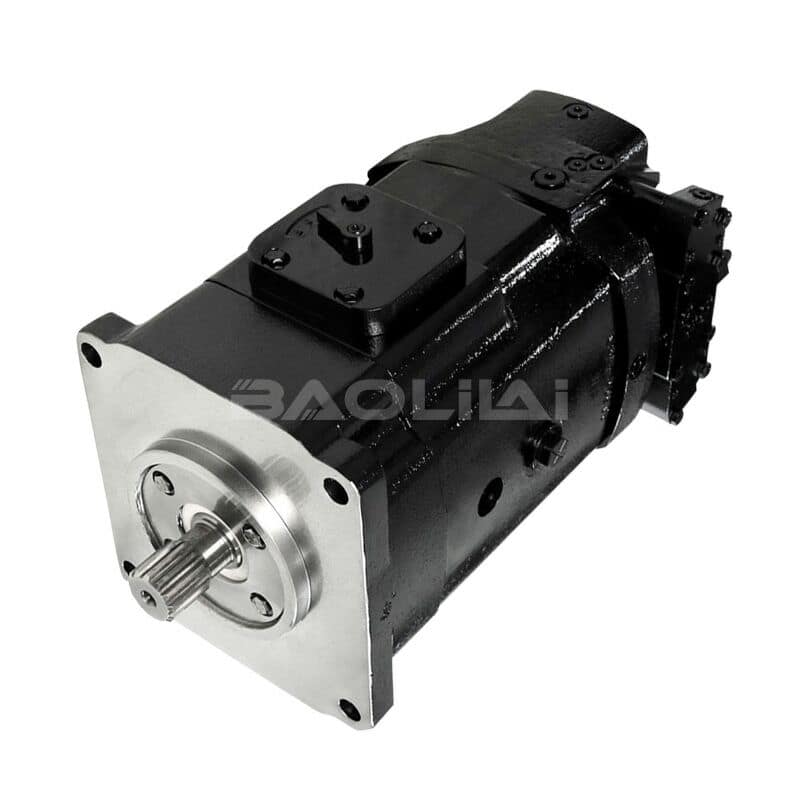
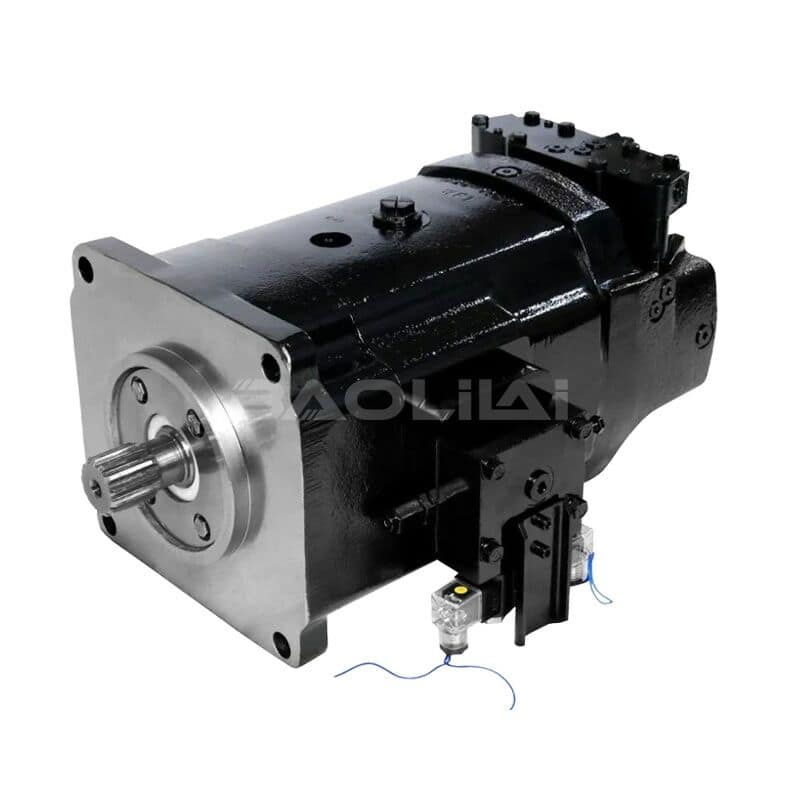
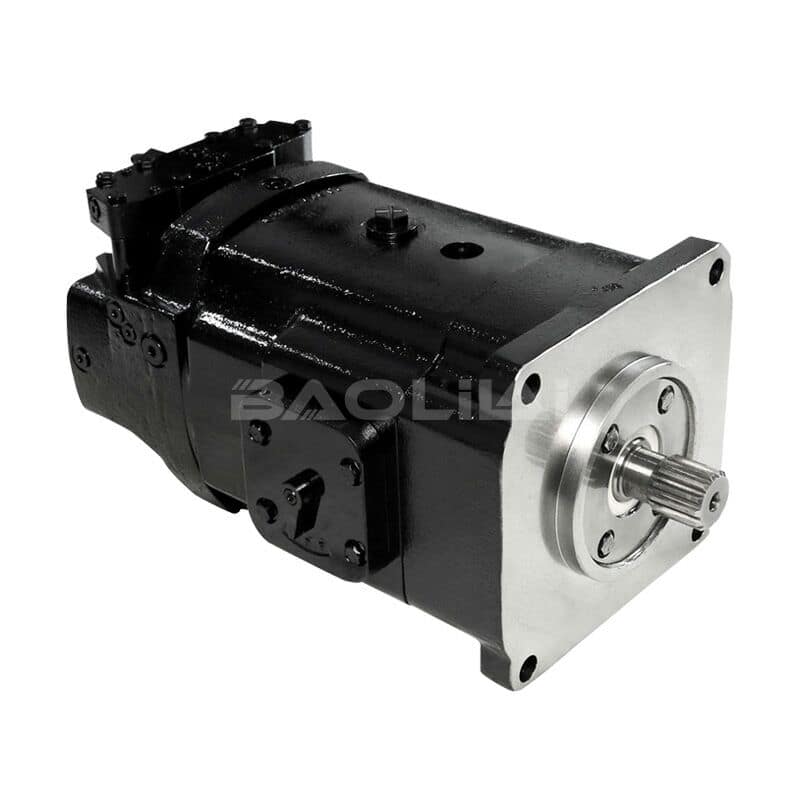
Sandivk 002764-017 701710 002764-003 701590 Denison P7 hydraulic pump
- Product Details
Sandvik doesn’t manufacture its own hydraulic pumps. Like most drill rig OEMs, it sources piston pumps from established hydraulics manufacturers — in this case, Parker Denison — and then assigns its own internal stock-keeping number to the assembly once it’s mounted, plumbed, and validated as part of a specific rig build. That’s why a part like 002764-017 / 701710 / 002764-003 / 701590 shows up in Sandvik’s parts catalog for machines such as the D75KS, DE712, or DP1500 series, while the pump itself is built on Denison’s P7 platform.
Treat the Sandvik number as the ordering reference and the Denison P7 designation as the engineering reference. Quoting both to a supplier dramatically reduces the odds of receiving the wrong displacement or shaft configuration.
What the Denison P7 Actually Is
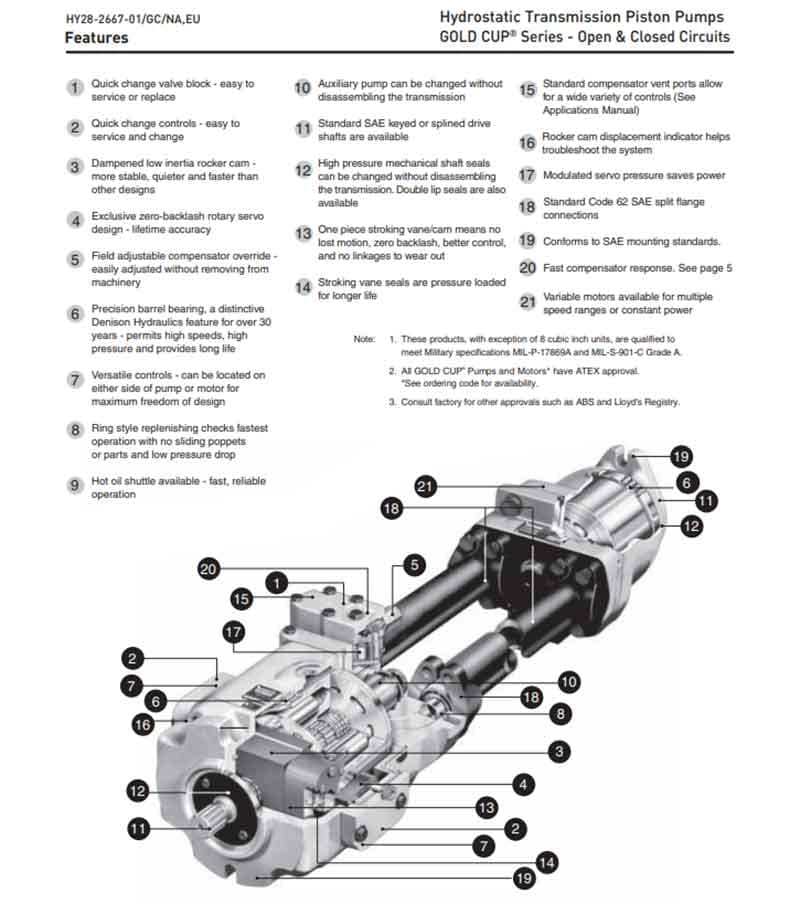
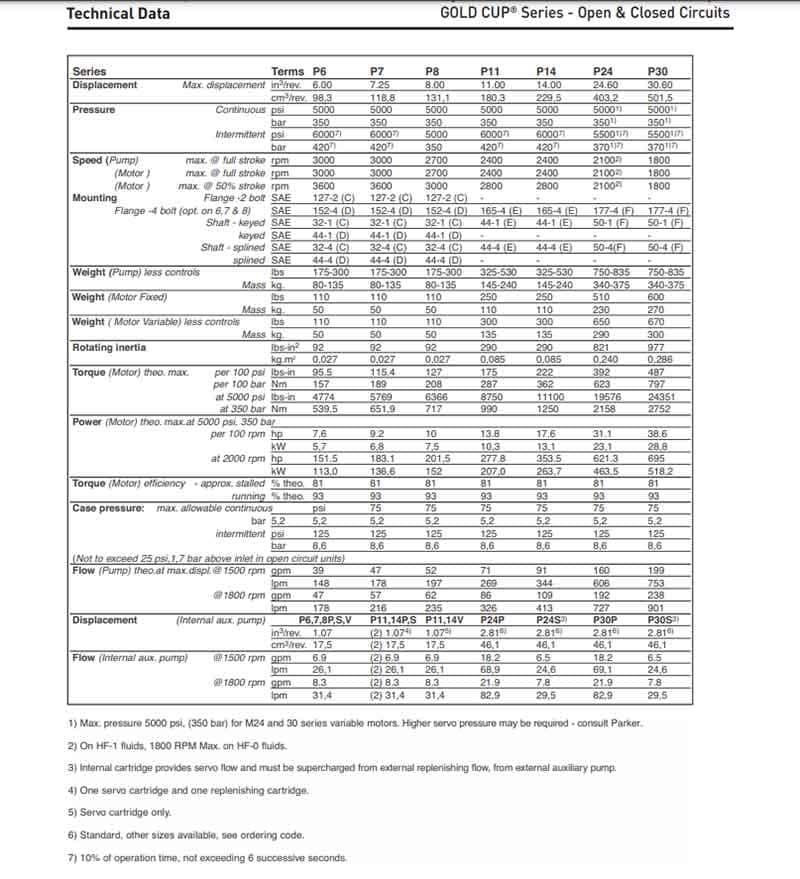
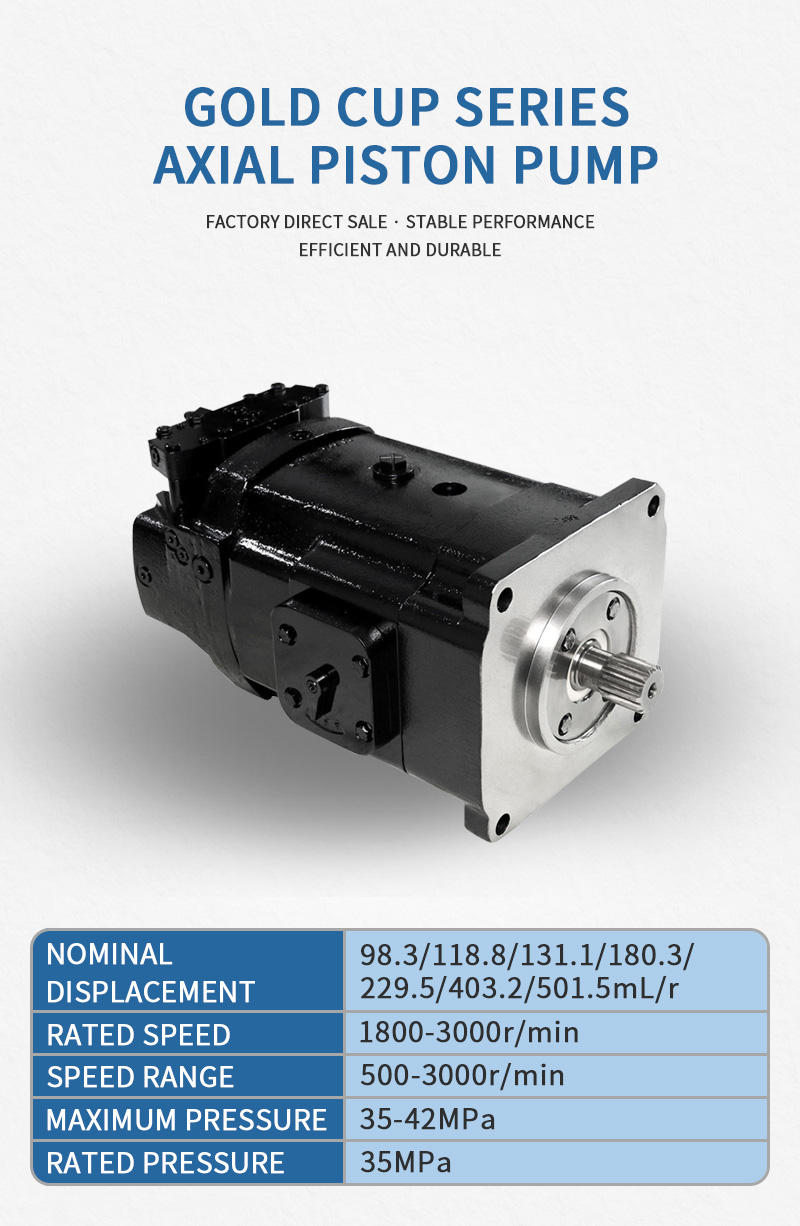
The P7 belongs to Denison’s Gold Cup series of fixed-displacement axial piston pumps, a family that also includes the smaller P6 and larger P8, P11, P14, P24, and P30. These pumps were originally developed by Denison Hydraulics and are now produced and supported under Parker Hannifin, which acquired Denison’s mobile and industrial pump lines.
Core Design Features
Axial piston, swash-plate (cam angle) architecture — displacement is fixed by the cam angle rather than adjustable, which keeps the design simple and rugged for mobile equipment.
Multiple cam angle options — the P7 is commonly built with 13°, 15°, or 17° cam angles, giving displacements of roughly 4.8, 5.6, and 6.4 cubic inches per revolution respectively (about 79, 92, and 105 cc/rev).
SAE mounting and shaft standards — P7 pumps typically use SAE-B mounting flanges (SAE 101-2, or 101-4 on some rotating-group variants), which is why matching the exact suffix matters when you’re bolting a replacement onto an existing gearbox or PTO.
Rebuildable rotating group — pistons, cylinder barrel, valve plate, and shaft bearings are all serviceable, which is a major reason these pumps have such a long service life in drilling applications.
Where It Fits on a Sandvik Rig
On rotary and DTH drill rigs, a P7-based pump is usually assigned to a specific circuit rather than running the whole machine. Typical duties include:
Rotary head hydraulic motor supply
Feed cylinder circuit (pulldown/pullback)
Winch or tramming assist circuits on multi-pump manifolds
Auxiliary functions such as breakout wrenches or centralizers on larger rigs
Because Sandvik rigs often stack two or three pumps on a single gearbox (a “pump stack”), it’s common to see a P7 running alongside a smaller P6 or a larger P11 on the same drive train — which is one more reason the exact part suffix matters.
How to Identify Your Pump Before Ordering
1. Pull Every Number Off the Tag
P7 pumps carry a nameplate or stamped boss with the manufacturer’s build code, and Sandvik-installed units usually have an additional tag or etched number on the housing or mounting flange. Record both.
2. Confirm Displacement by Physical Measurement
If tags are worn or missing, displacement can be estimated by counting pistons and measuring bore and stroke, then cross-checked against the known P7 cam-angle displacements (4.8 / 5.6 / 6.4 cu in/rev). This is standard practice for shops rebuilding cores with no legible identification.
3. Check Shaft and Mounting Configuration
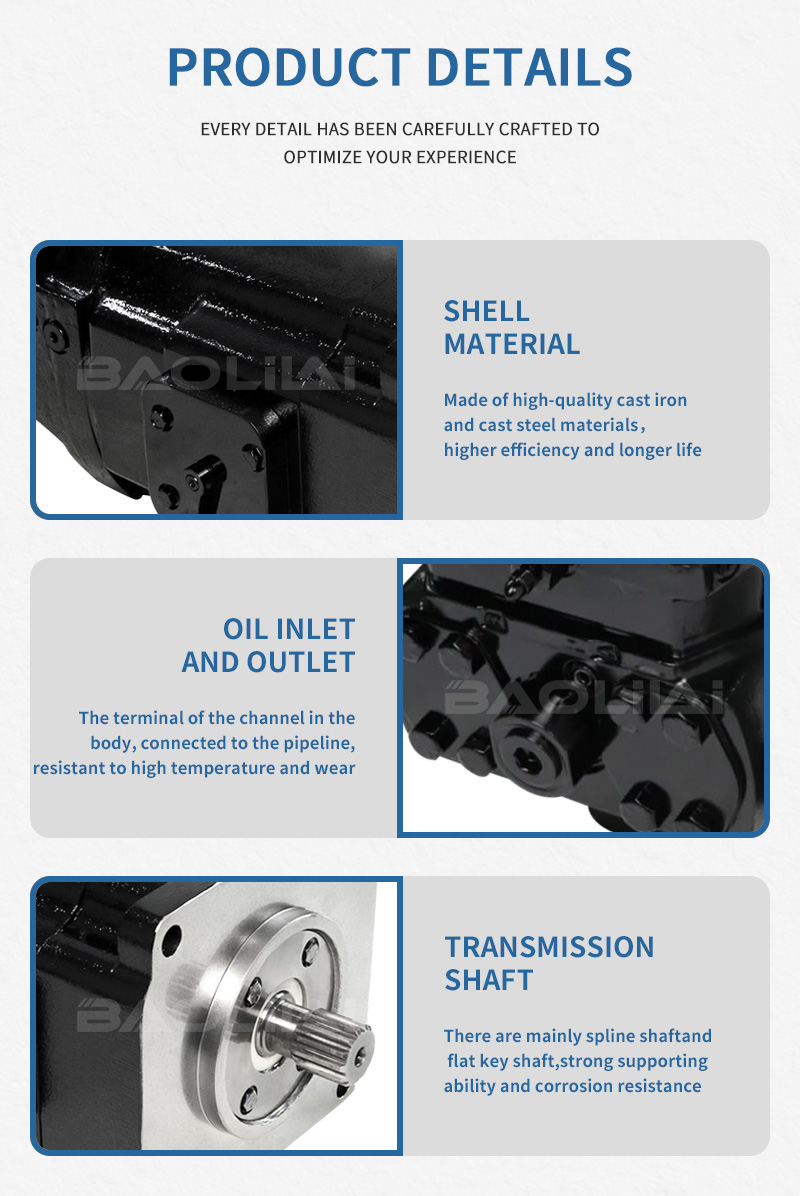
P7 pumps ship in several shaft styles (straight keyed, splined) and mounting patterns. Bolt-pattern and spline count must match the gearbox PTO or the pump won’t seat, regardless of whether the displacement is correct.
4. Verify Rotation
Piston pumps are rotation-specific. A CW pump installed where a CCW unit belongs will not simply run backward safely — it can starve the porting and destroy the rotating group within minutes.
(Reference brand sites: www.komatsu.com, www.sandvik.com, www.volvoce.com, www.deere.com)
Engineers and procurement specialists can visit www.baolilai-pump.com for model comparisons, installation solutions, and compatibility guidance. To download detailed technical PDFs—including pressure curves, displacement values, and mounting dimensions—use www.baolilai-pump.com/contact_us/.
FAQ
Q1: Is a Denison P7 the same pump regardless of which Sandvik number is on it?
Not necessarily. “P7” describes the platform and general displacement family; the Sandvik suffix (-017, -003, etc.) pins down the specific cam angle, shaft, and rotation built for a particular rig application. Always match the full part number, not just the “P7” designation.
Q2: Where do I find the correct part number for my specific rig?
Match your rig’s serial number against Sandvik’s official parts manual. Don’t rely solely on the casting number stamped on an old pump, since aftermarket catalogs frequently cross-reference the same casting under multiple part numbers.
Q3: Is the pump backed by a warranty?
All units include a full one-year warranty.
Q4: How can I access technical documentation?
PDF specifications are available at www.baolilai-pump.com/contact_us/